
Cloudbeds Review 2026: Complete Platform Analysis

Cloudbeds has become one of the most popular property management platforms for independent hotels worldwide. But is it right for your property? This comprehensive review covers everything you need to know—features, pricing, strengths, and weaknesses—to make an informed decision.
Quick Verdict
Cloudbeds offers a comprehensive all-in-one platform for independent hotels
Rating: 4.6/5 (1,200+ reviews)
Best For: Independent hotels, B&Bs, hostels (10-74 rooms)
Pricing: Starting around $150/month
Bottom Line: Cloudbeds delivers excellent value as an all-in-one platform. If you want PMS, channel manager, and booking engine from a single vendor, it's a top choice. Properties wanting best-in-class individual components may find specialized alternatives stronger.
What is Cloudbeds?
 Cloudbeds combines multiple hotel functions into one integrated platform
Cloudbeds is a cloud-based hospitality management platform that bundles:
- Property Management System (PMS)
- Channel Manager (300+ OTA connections)
- Booking Engine for direct bookings
- Payment processing
- Pricing Intelligence Engine (revenue management)
- Guest engagement tools
Founded in 2012 in San Diego, Cloudbeds now serves properties in 150+ countries and has become particularly popular in North America.
Core Features
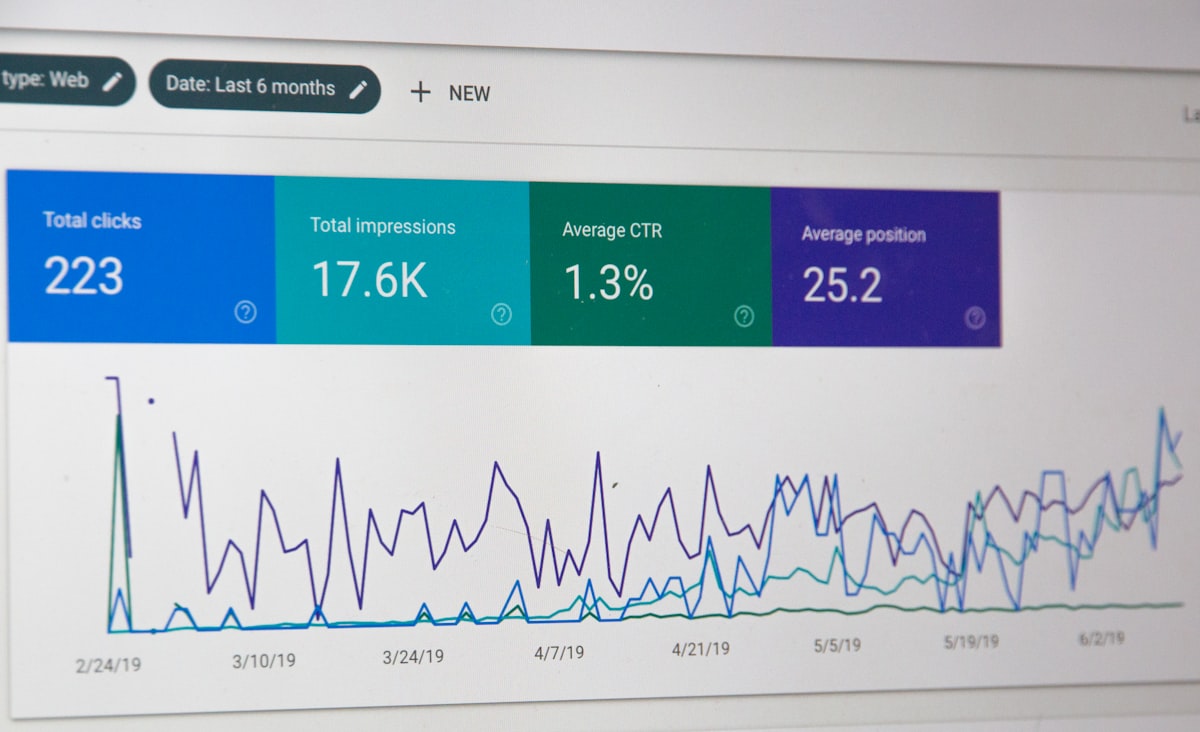 Core features cover all essential hotel management functions
Property Management System
- Reservation management with drag-and-drop calendar
- Guest profiles and history
- Housekeeping management
- Rate and inventory control
- Reporting and analytics
- Multi-property support
Channel Manager
- Connection to 300+ OTAs
- Real-time inventory sync
- Rate parity management
- Airbnb, Booking.com, Expedia included
- Two-way sync prevents overbookings
Booking Engine
- Customizable direct booking widget
- Mobile-responsive design
- Upselling capabilities
- Multiple rate plans
- Promotional tools
Pricing Intelligence Engine
- Dynamic pricing recommendations
- Market demand analysis
- Competitor rate monitoring
- Automated price adjustments
- Revenue optimization insights
Pros and Cons
 Understanding strengths and weaknesses helps with decision making
Pros:
- ✅ True all-in-one platform eliminates vendor complexity
- ✅ 300+ channel connections for broad distribution
- ✅ Intuitive dashboard with visual clarity
- ✅ Strong guest engagement tools
- ✅ Active development with regular updates
- ✅ Competitive pricing for feature set
- ✅ Good training and support resources
Cons:
- ❌ Individual components aren't best-in-class
- ❌ Can feel overwhelming for very small properties
- ❌ Customer support response times vary
- ❌ Mobile app could be stronger
- ❌ Learning curve for full platform utilization
- ❌ Some advanced features require higher tiers
Pricing Overview
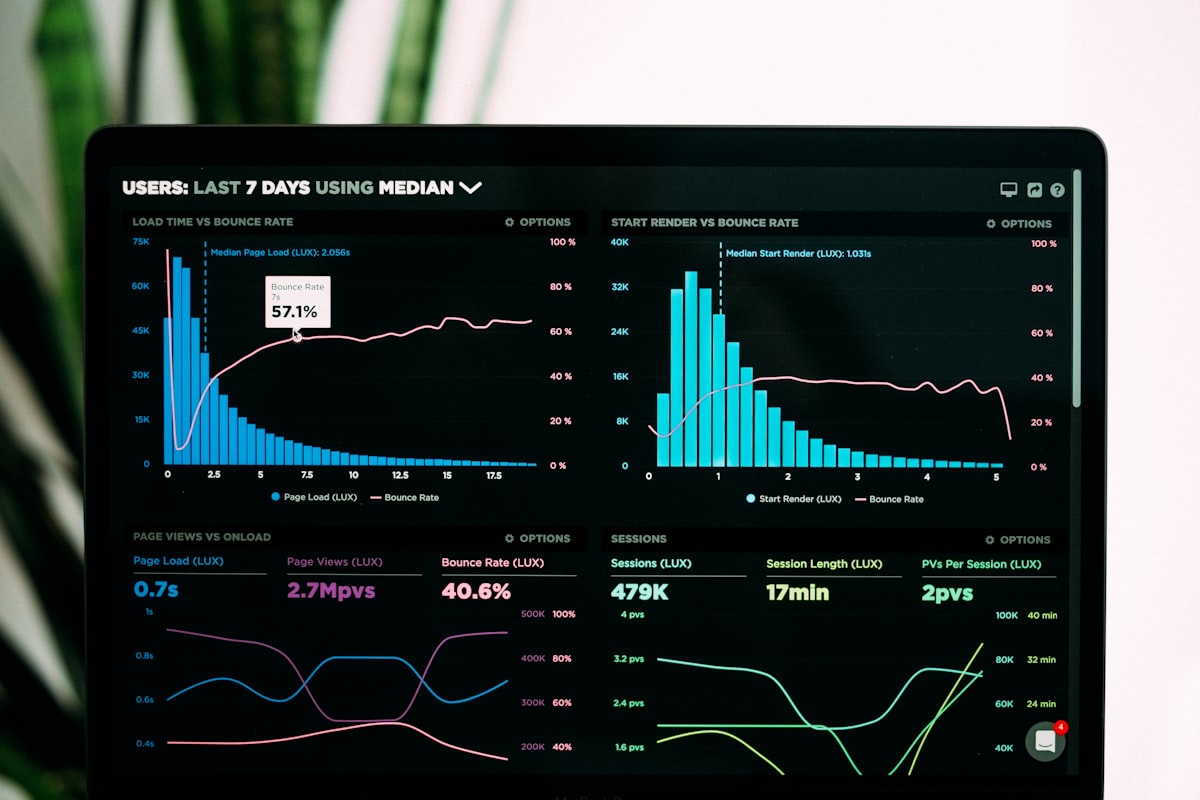 Pricing scales based on property size and features needed
Cloudbeds uses subscription-based pricing with tiers based on features:
Approximate Pricing:
- Small properties (under 20 rooms): ~
$150-200/month - Mid-size properties (20-50 rooms): ~
$300-500/month - Larger properties: Custom pricing
What's Included:
- PMS functionality
- Channel manager
- Booking engine
- Basic reporting
- Standard support
Additional Costs:
- Pricing Intelligence Engine (revenue management)
- Advanced reporting
- Premium support
- Payment processing fees
For comparison, see how this compares to other PMS options.
User Experience
 Daily user experience matters for staff adoption
Interface Design: Cloudbeds uses a modern, visual interface with color-coded status indicators. The dashboard provides quick access to reservations, availability, and key metrics.
Learning Curve: Expect 1-2 weeks for basic proficiency, 1-2 months for full platform mastery. The breadth of features means there's always more to learn.
Mobile Experience: Mobile app available but not as polished as desktop. Basic management possible but most users prefer desktop for complex tasks.
Training Resources:
- Online knowledge base
- Video tutorials
- Webinars
- Implementation support included
- User community
Channel Management
 Strong channel connectivity is a major Cloudbeds advantage
Cloudbeds shines in distribution connectivity:
Major Channels:
- Booking.com
- Expedia (including Hotels.com, Vrbo)
- Airbnb
- Agoda
- Google Hotel Ads
- TripAdvisor
Specialty Channels:
- Hostel-specific platforms
- Regional OTAs
- Niche travel sites
Performance: Real-time sync prevents overbookings. Rate updates push quickly. Most users report reliable connectivity with major platforms.
Reporting and Analytics
 Reporting provides insights into property performance
Standard Reports:
- Occupancy and revenue
- Channel performance
- Rate analysis
- Guest statistics
- Housekeeping metrics
Advanced Analytics (with PIE):
- Market demand insights
- Competitor analysis
- Pricing recommendations
- Forecast accuracy
Limitations: Some users want more customization. Export options cover basics but advanced business intelligence may require third-party tools.
Customer Support
 Support quality varies but resources are comprehensive
Support Channels:
- Email support
- Chat support
- Phone support (higher tiers)
- Help center documentation
- Community forums
User Feedback: Mixed reviews on support response times. Complex issues may take multiple interactions to resolve. Implementation support is generally well-regarded.
Best Use Cases
 Cloudbeds works best for specific property types
Ideal For:
- Independent hotels (15-75 rooms)
- Boutique properties
- B&Bs and inns
- Hostels
- Properties wanting single-vendor simplicity
Less Ideal For:
- Very small properties (under 10 rooms) — may be overkill
- Large resorts — may need specialized tools
- Properties requiring deep event/banquet management
- Those wanting best-in-class individual components
For very small properties, consider Little Hotelier. For larger operations, explore Mews or Opera.
Cloudbeds vs Alternatives
 How Cloudbeds compares to key competitors
| Factor | Cloudbeds | Mews | Little Hotelier |
|---|---|---|---|
| Best For | 10-74 rooms | 25-199 rooms | 1-24 rooms |
| Approach | All-in-one | Modern PMS | Simplicity |
| Channel Mgr | Built-in (300+) | Separate (800+) | Built-in (450+) |
| Pricing | Mid-range | Mid-high | Budget |
| Ease of Use | Good | Excellent | Excellent |
Also consider Hotefy as a modern alternative worth evaluating.
Implementation Process
 Implementation typically takes 2-4 weeks
Timeline:
- Week 1: Setup, data migration
- Week 2: Channel connections, training
- Week 3-4: Testing, go-live, adjustment
What's Required:
- Current reservation data export
- Channel credentials
- Staff availability for training
- Website integration (for booking engine)
Support Provided:
- Dedicated implementation specialist
- Data migration assistance
- Training sessions
- Post-go-live support
Frequently Asked Questions
 Common questions about Cloudbeds answered
Is Cloudbeds good for small properties? Yes, but the smallest properties (under 10 rooms) may find it more than needed. Little Hotelier is purpose-built for micro-properties.
Does Cloudbeds replace my booking engine? Yes—the integrated booking engine is included. Most properties use it instead of third-party options.
How does pricing compare to competitors? Mid-range for the industry. Competitive considering you get PMS + channel manager + booking engine bundled.
Can I use Cloudbeds for multiple properties? Yes—multi-property support is available. Central dashboard for portfolio management.
Is the Pricing Intelligence Engine worth it? For properties serious about revenue management, yes. It provides meaningful pricing recommendations.
Conclusion
 Cloudbeds is a strong choice for independent properties wanting simplicity
Cloudbeds delivers on its promise of all-in-one hotel management. For independent properties wanting a single platform that handles PMS, distribution, and direct bookings, it's an excellent choice.
Choose Cloudbeds if:
- You're an independent property (10-74 rooms)
- You want vendor simplicity over best-in-class components
- You need strong OTA connectivity
- You value ongoing platform development
Consider alternatives if:
- You're very small (under 10 rooms)
- You need specialized event management
- You want the absolute best in each category
- Mobile-first management is critical
Request a demo, involve your team in evaluation, and take advantage of any trial period. The right choice depends on your specific property and priorities.
More Articles

Best Mobile PMS Apps for Hotels in 2026: Manage from Anywhere
Compare the top mobile hotel PMS apps for iOS and Android in 2026. Discover which property management systems offer the best mobile functionality for hotel staff on the go.

Best Contactless Hotel Check-In Software in 2026: Complete Guide
Compare the top contactless check-in solutions for hotels in 2026. Discover how self-service kiosks, mobile check-in, and digital keys improve guest experience and reduce front desk workload.

Hotel Data Analytics and Reporting Software: Complete Guide 2026
Discover the best hotel analytics and business intelligence software in 2026. Learn how data-driven insights improve revenue, operations, and guest satisfaction at your property.