Google Hotel Ads Are Moving Into Search: What Hotels Do Now
 H. Keyes, HotelTech.review · 2,214 words
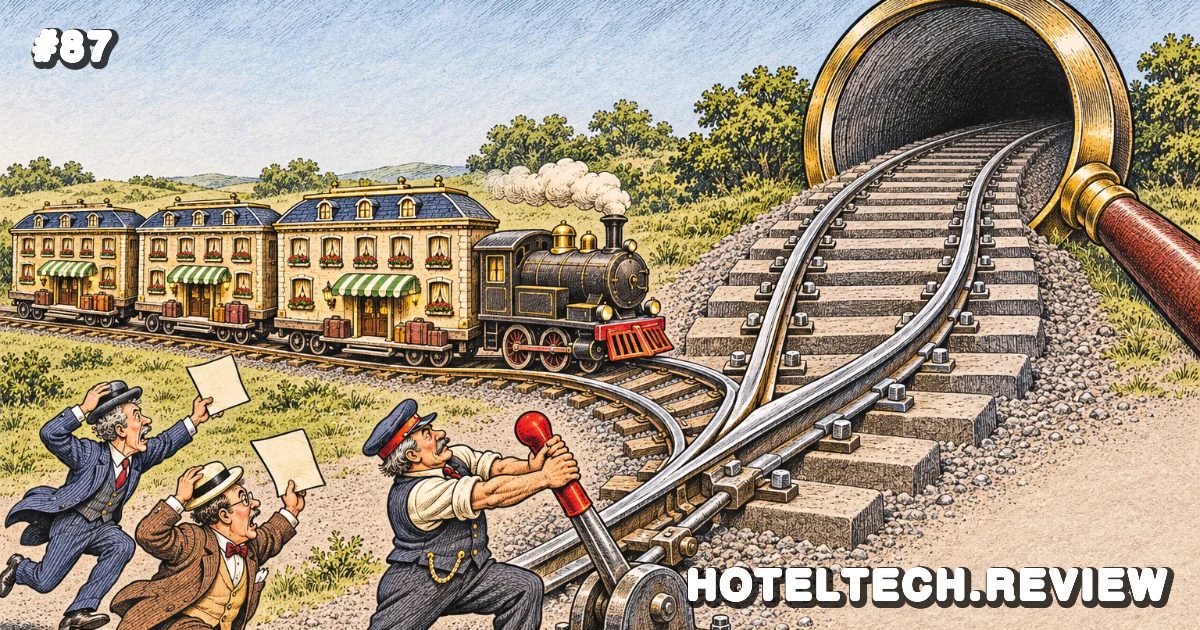
Google Hotel Ads are getting a new home. Google is retiring standalone Hotel campaigns: migration starts in Q4 2026, and anything left untouched converts automatically in the first half of 2027. Travellers will barely notice. Hotels will: the bids, the cost of a long stay and the reports all change shape.
Here is what Google Hotel Ads cost, whether the free links are enough, and what to fix before Google’s email reaches your inbox.
TL;DR

- The change: Hotel Ads become Search campaigns for Travel, automatically in H1 2027.
- Start free: free booking links cost $0 a click, and the move leaves them alone.
- Rebid now: CPC% is gone, and a $2 five-night bid falls from $10 to $2.
1. What are Google Hotel Ads?

Google Hotel Ads are paid booking links: your own rate, with a link to your booking engine, inside Google’s hotel price list. They sit beside Booking.com and Expedia, and you pay Google each time a traveller clicks through, whether they book or not.
They appear when someone searches for a hotel on Google Search, Google Maps or YouTube, globally, in every major language and currency, per Google’s guide to hotel campaigns.
Google builds each ad from three things in your Hotel Center account, which a booking engine or channel manager usually supplies:
In the new campaigns, three formats share that feed:
The ad works for any hotel that sells rooms on its own site at a rate that matches the OTAs. If your booking engine is $12 dearer than Booking.com, Google’s price list shows the gap right next to your name.
2. What changes when Google Hotel Ads move into Search?
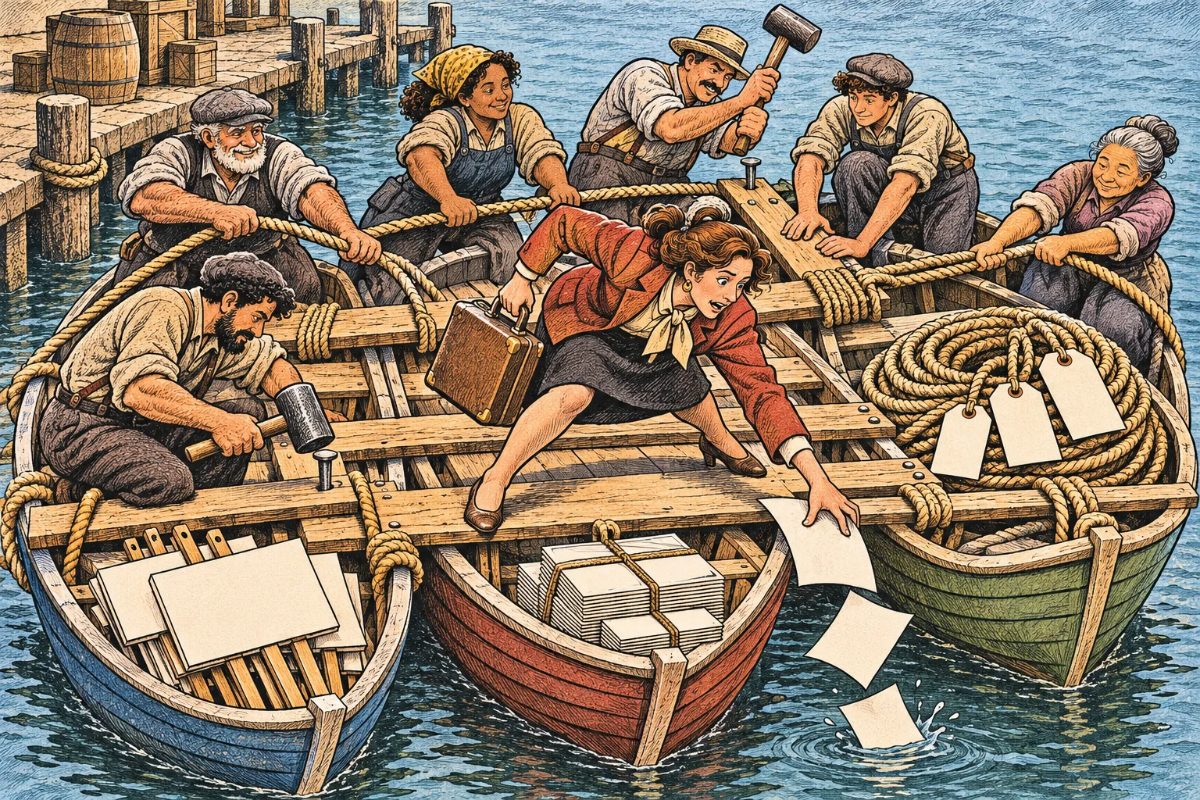
One campaign replaces three. Text ads, sponsored hotel cards and booking links will share one budget, one bidding setup and one set of reports, in what Google calls Search campaigns for Travel, run on its AI Max targeting.
The dates come in two steps. Google’s help pages say migration starts in Q4 2026. Its migration guide, reported by Skift, converts untouched campaigns automatically in the first half of 2027. Each account gets its own date by email.
What changes for the hotel:
Google says AI Max widens the searches your ads match and can rewrite headlines. Its headline figure, cited by Hospitality.today, is 14% more conversions at a similar cost, measured in 2025 across all industries.
Cornell’s Chris Anderson told Skift the move is a chance to test something hotels rarely check: whether paid hotel links bring bookings you would not otherwise get, or charge you for ones that would have arrived free.
Export the last 12 months of Hotel Ads results now. The history stays with the old campaigns, and the new campaigns count differently, so a season-on-season comparison needs the old numbers saved.
3. What do Google Hotel Ads cost?

Hotel Center and free booking links cost nothing. Paid booking links and hotel cards cost what you bid for each click, booking or not, within a campaign budget you set. Here is what Google charges for each part:
| Item | $USD | Charged |
|---|---|---|
| Hotel Center | $0 | Never |
| Free booking links | $0 | Never |
| Paid booking links | Your bid | Per click |
| Travel Promotion Ads | Your bid | Per click |
| Commission bidding | Ended | Feb 2025 |
Prices as of November 2026. Commission bidding, where hotels paid only after a booking or a stay, ended in February 2025, per Hospitality Net. The risk of a click that never books now sits with you.
Set that against the OTA. Booking.com’s global average commission is 15% of each stay, per its partner help centre. The question is simple: does a Google booking cost you less than that?
Here is the arithmetic for a three-night stay, our calculation:
| Step | Value |
|---|---|
| 3 nights at $180 | $540 |
| Booking.com, 15% | $81 |
| Clicks per booking | 40 (2.5%) |
| Break-even bid | $2.03/click |
Bid under $2.03 a click and each Google booking costs less than the same guest from Booking.com. Bid over it and you are paying more than the OTA would charge. Put your own rate and conversion rate, from your booking engine, into the same four lines.
The connection itself may cost extra. Many booking engines include it; others don’t. Mews has no direct Google Hotel Ads link and points hotels to marketplace partners such as Cendyn, D-EDGE and Triptease, which charge monthly and setup fees.
4. Are free booking links enough?

For a small hotel, yes, to start. Google’s free booking links help page is blunt: “There’s no cost for clicks on free booking links.” Your rate and link appear in the same price list, below the paid ads.
Ranking is earned. Google ranks free links on consumer preference, value to the traveller, landing-page experience and the history of your price accuracy. Commercial relationships don’t count, and nobody can pay for a higher place.
The catch is the feed. Until September 30, Google could run hotel ads with rates it found itself for hotels that sent none. That has ended, per Hospitality.today: no feed now means no row of your own.
What a free link needs:
Your booking engine may already have you covered. Google tells hotel owners to ask their reservation provider, which can set the links up. Cloudbeds, for example, released them to all its qualifying properties. Ask before you pay anyone else.
5. How do you get your hotel on Google Hotel Center?

Through your booking engine or channel manager, in most cases. It sends Google your rooms, rates and availability; Hotel Center checks those prices against your site; and you link Hotel Center to Google Ads to buy paid links.
- Claim and verify your Google Business Profile.
- Ask your booking engine whether it is a Google integration partner, and switch the connection on.
- Open a booking link and check it lands on your booking page with the dates and price filled in.
- Fix any price-accuracy warnings in Hotel Center until your prices match.
- Send each booking’s value and currency to Google Ads as a conversion.
- Link Hotel Center to Google Ads and build a Search campaign for Travel from the feed.
Step five decides whether paid ads can work. Automated bidding sets each click’s price from the bookings it sees, and Google requires conversion tracking with the full booking amount for it, per Hospitality.today. Without it, Google bids blind.
If your booking engine can’t connect at all, that is the problem to solve first. Our booking engine comparison and channel manager guide show which providers do.
6. How should you bid after the move?

Start with a fixed bid per click, then move to automated bidding once Google sees enough of your bookings. The percentage bid is going. Google’s bidding page says it plainly: “Enhanced CPC and CPC% aren’t available in Search campaigns for travel.”
| Option | Hotel campaign | Search for Travel |
|---|---|---|
| Fixed CPC | Yes | Yes |
| CPC% of rate | Yes | No |
| Enhanced CPC | Yes | No |
| Max conversions | No | Yes |
| Target ROAS | Yes | Yes |
| Commission | Ended 2025 | No |
| Stay length | Bid × nights | Adjustment, max 900% |
The new campaigns also measure differently. Hotel campaigns credit the last click; Search campaigns for Travel support data-driven attribution, which shares the credit across the ads a guest saw, per Hospitality Net’s migration explainer.
The quiet change is stay length. A Hotel campaign multiplies your bid by the nights searched. The new campaign doesn’t, so a long stay now gets a short stay’s bid unless someone adds a length-of-booking adjustment.
Google’s automatic migration adds that adjustment for you and sets percentage bids to a fixed bid at each hotel’s average cost per click over the past 30 days, per its migration guide, quoted by Relevant Audience.
That 30-day average is the trap for a seasonal hotel. Adchieve’s Rudolph Dekker told Skift that losing percentage bids hurts most where rates swing widely, because a fixed bid stays put when your room rate doubles for the summer.
Before Google converts anything:
- Write down each campaign’s bid strategy, budget and stay-length settings.
- Work out a fixed bid for peak season and another for low season.
- Check that bookings reach Google Ads with their value and currency.
- Build the new campaign yourself, then pause the old one rather than deleting it, so its history stays.
7. How do Google Hotel Ads compare with other channels?

Google now sells per click only. Microsoft still lets you pay a commission, Tripadvisor needs a subscription before you can buy clicks, trivago sells extra visibility by annual subscription, and Booking.com takes a share of each stay.
| Channel | Pays per | $USD |
|---|---|---|
 Google |
Click | Your bid, links $0 |
 Microsoft |
Click, stay | Your bid or % |
 Tripadvisor |
Click | Est. $99+/yr + CPC |
 trivago |
Year | Free, Studio+ quoted |
 Booking.com |
Stay | ~15% |
Microsoft’s hotel campaigns still accept a commission rate, charged when a guest books and stays, per Microsoft’s Hotel Ads guide. It also still takes percentage click bids, which Google is dropping.
Tripadvisor’s Sponsored Placements are charged per click, but only to properties with an active Business Advantage subscription that share live rates. Tripadvisor publishes no price for Business Advantage; its terms set it by room count and location.
trivago’s Business Studio is free to register. Business Studio+ runs as an annual subscription with market-based pricing, and adds promotional offers and rate insights for independent hotels.
The verdict: Google first, because that is where the search starts and the free links cost nothing. Microsoft is the low-risk second channel, because a commission bid only costs you when a guest actually stays.
8. Should your hotel run Google Hotel Ads?

Yes, once three things are true: your free booking links are live, your direct rate matches or beats the OTAs, and your booking engine sends each booking’s value to Google. Until then, every paid click is a guess.
| Hotel | Pick |
|---|---|
| Small, no tracking | Free links only |
| Independent, tracking on | Search for Travel, fixed bids |
| Seasonal resort | Fixed bids by season |
| Group, several hotels | Automated bids, one owner |
| Hates click risk | Add Microsoft commission |
Settle who owns the campaign before Google’s email arrives. In many independents the booking engine runs the hotel ads and an agency runs the brand search ads, Hospitality.today notes. After the move it is one campaign, and one of them has to own it.
Then make the next booking free. A guest who booked direct once should not cost you another click.  Villiar keeps them coming back, per its pricing page:
- Free plan, $0: automated rebooking prompts and OTA review requests.
- Pro, $39/m: adds marketing and Facebook Pixel integration.
For the rest of the direct-booking stack, see our guide to direct booking software. Google will move your campaigns whether you are ready or not; better the night auditor spots the new bids in the morning report than the owner on the card statement.
Sources
- Google Ads Help: About hotel campaigns
- Google Ads Help: Bidding overview for hotel ads
- Google Ads Help: Length of booking bids
- Google Ads Help: AI Max for Search campaigns for travel
- Hotel Center Help: About free booking links
- Skift: Google folds hotel ads into Search
- Hospitality Net: Goodbye, Google Hotel Campaigns
- Hospitality.today: Google is moving hotel ads into Search
- Hospitality.today: Google stops filling in your hotel rate
- Relevant Audience: Hotel campaigns migrate to Search for Travel
- Hospitality Net: Google’s commission-based hotel ads are gone
- Booking.com: How much commission do I pay?
- Microsoft Advertising: Hotel Ads
- Tripadvisor: Sponsored Placements FAQ
- Tripadvisor: Business Advantage and Sponsored Placements terms
- trivago Business Studio
- Mews Help: Google Hotel Ads
- Cloudbeds: Google’s free booking links
- Villiar pricing