
Hotel Voice AI & Smart Assistants: Complete 2026 Adoption Guide

Voice technology has evolved from novelty to mainstream guest expectation in just a few years. Hotels that integrate voice AI and smart assistants deliver convenience guests experience at home while differentiating their properties through technology-enabled service.
Yet many hotels remain uncertain about voice technology implementation. Which platforms should you deploy? What use cases justify investment? How do you balance automation with hospitality? What guest concerns about privacy and data security must you address?
This comprehensive guide examines voice AI adoption for hotels across platforms, use cases, implementation strategies, and best practices, helping you determine whether and how voice technology fits your guest experience strategy.
Understanding Voice AI in Hotels
Voice assistants enable natural language interaction with hotel services and amenities
Voice AI encompasses several technologies working together to enable natural language interaction between guests and hotel systems.
Core Technologies
Speech Recognition: Converts spoken words into text the system can process. Modern systems achieve 95%+ accuracy in quiet environments for standard accents and languages.
Natural Language Understanding (NLU): Interprets meaning and intent behind words. Distinguishes between "I need more towels" and "I need the housekeeping schedule"—both containing "housekeeping" but requiring different responses.
Dialog Management: Maintains conversation context, asks clarifying questions, and guides interactions to successful completion.
Text-to-Speech (TTS): Converts system responses back to natural-sounding speech. Modern TTS sounds remarkably human with appropriate intonation and pacing.
Integration Layer: Connects voice interface to hotel systems—PMS, room automation, service request platforms, information databases.
Deployment Models
Consumer Smart Speakers: Amazon Echo (Alexa), Google Nest (Google Assistant), Apple HomePod (Siri). Guests already know these devices and how to use them.
Hotel-Specific Voice Assistants: Custom solutions built for hospitality (e.g., Volara, Voxity). Designed specifically for hotel use cases with hospitality-focused features.
Hybrid Solutions: Consumer platforms extended with hotel-specific skills and integrations. Combines familiar interface with customized capabilities.
Mobile Voice: Voice capabilities within hotel mobile apps. Guests use their own devices rather than in-room hardware.
The right approach depends on your property positioning, guest demographics, and service strategy.
Platform Options
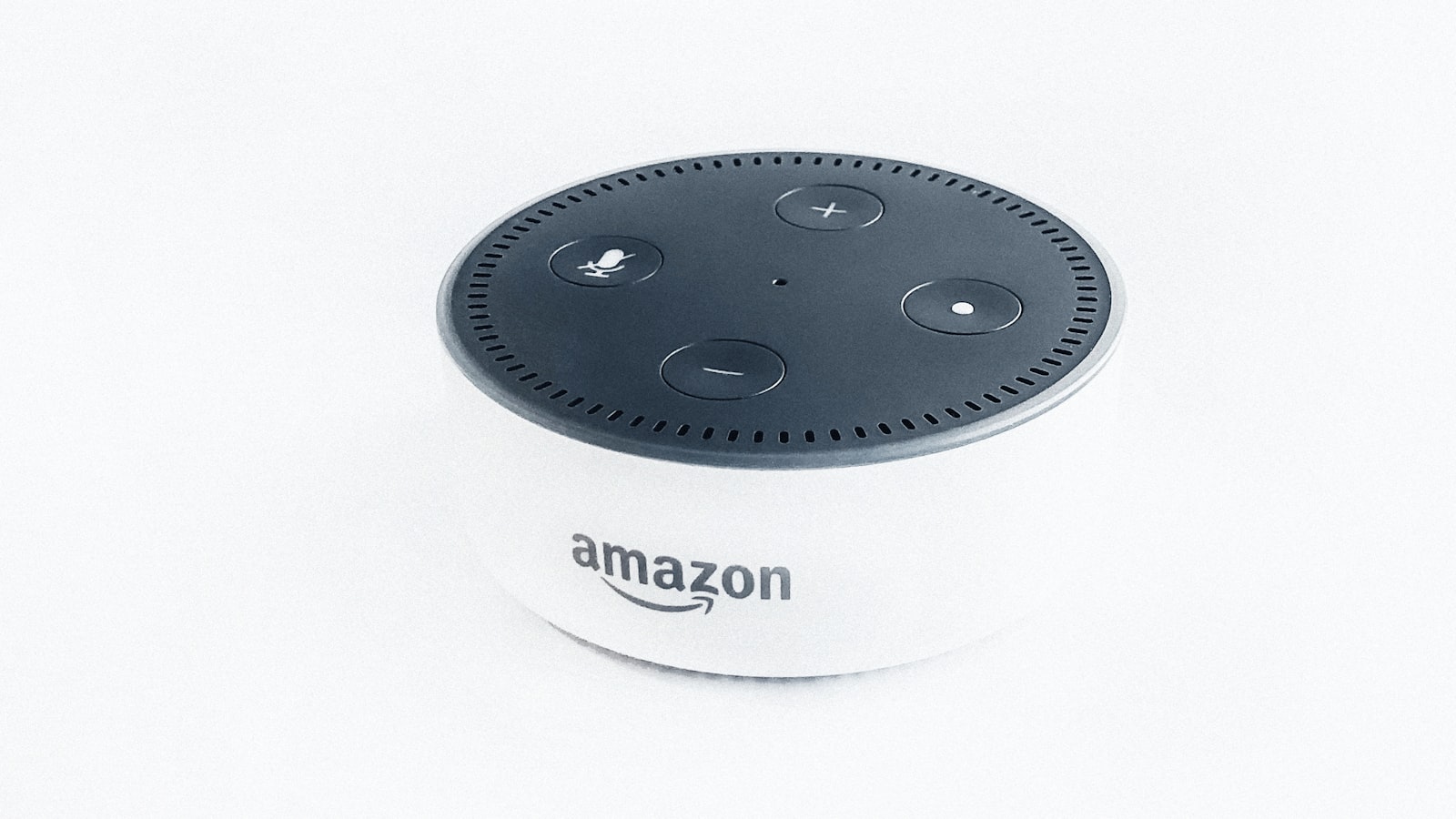 Multiple platforms offer different capabilities, privacy approaches, and integration ecosystems
Platform choice affects guest familiarity, integration capabilities, and ongoing costs.
Amazon Alexa for Hospitality
Overview: Amazon's hotel-specific Alexa deployment designed for guest rooms and common areas. Purpose-built for hospitality with privacy controls and hotel-specific features.
Capabilities:
- Guest room control (lights, temperature, blinds, TV)
- Service requests (housekeeping, maintenance, amenities)
- Hotel information (restaurant hours, amenities, directions)
- Local recommendations
- Standard Alexa skills (weather, news, music, alarms)
- Voice calling (front desk, room service, concierge)
- Multilingual support (20+ languages)
Privacy Features:
- Guest opt-out option
- No recording storage between stays
- Visual indicator when listening
- Easy reset between guests
- Privacy protections compliant with GDPR, CCPA
Integration:
- PMS integration for guest recognition
- Room automation systems
- Service request platforms
- Content management for hotel information
- Third-party skill ecosystem
Pricing: Volume-based licensing, typically $5-15 per room per month plus hardware costs ($50-150 per Echo device).
Best For: Hotels seeking recognizable consumer platform with robust privacy controls and extensive integration ecosystem. Strong choice for upscale properties where guests expect technology amenities.
Google Assistant for Hotels
Overview: Google's hospitality solution leveraging Google Assistant technology in guest rooms and hotel spaces.
Capabilities:
- Similar room control and service request features as Alexa
- Superior natural language understanding
- Tight integration with Google services (Maps, Search, Calendar)
- Broadcast messaging to guests
- Smart home device compatibility
- Multilingual support with excellent accuracy
Privacy Features:
- Guest mode with no personal data retention
- Clear visual/audio indicators
- Automatic reset protocols
- Privacy controls meeting global standards
Integration:
- PMS and property systems
- Google ecosystem (especially valuable for business travelers)
- Room automation platforms
- Custom action development
Pricing: Similar to Alexa—subscription licensing plus hardware (Google Nest devices $50-200).
Best For: Hotels targeting business travelers and tech-savvy guests. Properties already using Google Workspace or preferring Google ecosystem.
Hotel-Specific Voice Solutions
Platforms: Volara, Voxity, Ivy (by Delphi), other hospitality-focused providers.
Advantages:
- Built specifically for hotel use cases
- Stronger hospitality industry integrations
- Often vendor-agnostic (work with any smart speaker)
- More customization for specific property needs
- Unified management across multiple speaker types
- Often better analytics and reporting for hotel operations
Capabilities:
- Everything consumer platforms offer plus:
- Advanced PMS integration for personalization
- Sophisticated service request routing
- Property-specific information delivery
- Brand-specific customization
- Multi-property management
- Detailed usage analytics
Privacy: Hospitality-focused privacy controls, often more conservative than consumer platforms.
Pricing: Typically $8-20 per room per month plus implementation. May require specific hardware or work with existing speakers.
Best For: Hotel groups wanting unified solution across properties, luxury hotels requiring extensive customization, properties prioritizing hospitality-specific features over consumer platform familiarity.
For broader guest experience technology, see our guest experience technology 2026 guide.
Use Cases & Guest Benefits
 Effective voice AI implementation focuses on solving real guest needs and reducing friction
Voice technology succeeds when it addresses genuine guest pain points and makes hotel stays more convenient.
Room Control & Comfort
Lighting Control:
- "Alexa, dim the lights to 30%"
- "Set reading light"
- "Turn off all lights" (without finding every switch)
Climate Control:
- "Set temperature to 68 degrees"
- "Make it warmer"
- "Turn off air conditioning"
Window Treatments:
- "Open the blinds"
- "Close blackout curtains for sleeping"
Television:
- "Turn on TV"
- "Change to HGTV"
- "Volume up"
Benefit: Guests control environment naturally without hunting for switches, thermostats, or remote controls. Particularly valuable for:
- Accessibility (guests with mobility limitations)
- Arriving late and trying to navigate unfamiliar room
- International guests unfamiliar with US controls
Information & Concierge Services
Hotel Information:
- "What time is breakfast?"
- "Where is the fitness center?"
- "What time is checkout?"
- "Is the pool open?"
Local Recommendations:
- "Best Italian restaurant nearby?"
- "Things to do this weekend"
- "How do I get to the convention center?"
Property Navigation:
- "Where is the business center?"
- "How do I get to the rooftop bar?"
Benefit: Instant answers without calling front desk, checking app, or reading printed materials. Reduces front desk call volume (15-30% reduction typical) while improving guest self-sufficiency.
Service Requests
Housekeeping:
- "I need more towels"
- "Can I get extra pillows?"
- "Please make up my room"
Maintenance:
- "The air conditioning isn't working"
- "I need help with the TV"
Amenities:
- "Send up toothpaste"
- "I need an iron"
Room Service/Orders:
- "I'd like to order breakfast"
- "What's on the room service menu?"
Benefit: Frictionless service requests route directly to appropriate department without phone calls. Staff receive structured requests with room number attached. 20-40% faster service response typical with voice-enabled request systems.
Wake-up & Reminders
Alarms:
- "Wake me at 6:30 AM"
- "Set alarm for tomorrow morning"
Reminders:
- "Remind me about my dinner reservation"
- "What's on my schedule?"
Benefit: Guests use familiar voice commands rather than figuring out alarm clock or calling front desk for wake-up calls.
Communication
Front Desk Calls:
- "Call the front desk"
- "Connect me to concierge"
Room-to-Room:
- "Call room 342" (for guests in group)
Benefit: Voice calling without picking up phone. Especially convenient when hands full or lying in bed.
Implementation Strategy
 Successful implementation requires careful planning, integration, and staff training
Voice AI implementation involves more than installing smart speakers. Thoughtful deployment maximizes adoption and value.
Step 1: Define Objectives & Use Cases
Primary Goals:
- Reduce front desk call volume by X%
- Improve guest satisfaction scores (target: +5 points)
- Differentiate property through technology amenities
- Enable accessibility for guests with disabilities
- Reduce energy costs through voice-controlled automation
Priority Use Cases: Start with highest-impact, lowest-complexity implementations:
Phase 1 (Launch):
- Hotel information (hours, locations, policies)
- Basic room control (lights, temperature)
- Service requests (housekeeping, amenities)
Phase 2 (3-6 months):
- Advanced room automation
- Local recommendations
- Food & beverage ordering
- Personalized greetings and information
Phase 3 (6-12 months):
- Full integration with guest profile preferences
- Proactive suggestions
- Voice-enabled check-in/checkout
- Multi-property roaming profiles
Don't try to implement everything at once. Start focused, validate success, expand gradually.
Step 2: Choose Platform & Partner
Evaluation Criteria:
Guest Familiarity: How many guests already use this platform at home? Alexa and Google Assistant have massive installed bases—guests know how to interact.
Integration Capabilities: How well does platform integrate with your PMS, room automation, service request systems?
Privacy & Compliance: Does platform meet your privacy standards and regulatory requirements (GDPR, CCPA, etc.)?
Customization: Can you tailor responses, branding, and capabilities to your property?
Support & Reliability: What implementation support provided? What's uptime guarantee?
Total Cost: Subscription fees, hardware, integration costs, ongoing management.
Vendor Selection: Request detailed demos focusing on your priority use cases. Test actual voice interactions, examine backend management interfaces, verify integration with your specific PMS and systems.
Step 3: Integration & Configuration
PMS Integration: Connect voice platform to property management system for:
- Guest recognition (personalized responses)
- Room status information
- Billing integration
- Checkout date and preferences
Room Automation: Integrate with:
- Lighting control systems
- HVAC thermostats
- Smart locks
- Television systems
- Motorized blinds/curtains
Service Request Platform: Connect to platforms like ALICE, Amadeus Service Optimization, or custom request systems for structured service delivery.
Content Development: Create responses for common questions:
- Hotel amenity hours and locations
- Policies (checkout time, parking fees, pet policy)
- Local recommendations
- Dining options and menus
- Property navigation
Testing: Thorough testing before guest deployment:
- Test every command in live hotel environment
- Verify all integrations working properly
- Test in different room types
- Validate service requests route correctly
- Ensure privacy resets function properly
For implementation considerations, see our hotel technology trends 2026.
Step 4: Physical Installation
Device Placement: Strategic location in guest rooms:
- Nightstand or desk (within easy voice range of bed and seating)
- Away from bathroom (privacy consideration)
- Clear line of sight to guest (visual indicators visible)
- Near power outlet
- Consider aesthetics (device complements room design)
Signage: Clear guest communication:
- Welcome card explaining device capabilities
- Sample commands ("Try saying...")
- Privacy information and opt-out instructions
- Visual quick reference near device
Hardware Considerations:
- Secure mounting prevents theft
- Tamper-evident seals
- Easy staff access for troubleshooting
- Reliable power (ideally hardwired, not extension cords)
Step 5: Staff Training
Front Desk:
- How to explain voice capabilities to guests
- Troubleshooting common issues
- Privacy questions and responses
- Opt-out procedures
- How to check service request status
Housekeeping:
- Daily device reset procedures
- Physical cleaning protocols
- Basic troubleshooting
- When to escalate to maintenance
Engineering/IT:
- Device setup and configuration
- Network connectivity troubleshooting
- Integration diagnostics
- Replacement procedures
All Staff:
- Understanding which requests route to their department
- How to receive and respond to voice-initiated service requests
- Awareness of guest experience impact
Ongoing Education: Regular updates as capabilities expand and based on common guest questions/issues encountered.
Privacy & Security Considerations
 Privacy protections are essential for guest trust and regulatory compliance
Privacy concerns represent the primary barrier to voice technology acceptance. Addressing them directly builds trust.
Guest Privacy Controls
Opt-Out Mechanisms:
- Physical mute button on device (disables microphone completely)
- Ability to unplug device
- Alternative service request methods always available
- Clear signage explaining opt-out options
Data Handling:
- No recordings stored between guest stays
- Automatic profile reset at checkout
- Voice data not linked to guest identity beyond current stay
- Clear privacy policy provided at check-in
Transparency:
- Visual indicators when device listening (LED light rings)
- Clear communication about what data is collected and why
- Information about how to review or delete data
- Contact information for privacy questions
Regulatory Compliance
GDPR (Europe):
- Lawful basis for processing (legitimate interest + guest consent)
- Right to access data
- Right to deletion
- Data minimization (only collect what's necessary)
- Breach notification protocols
CCPA (California):
- Consumer right to know what data collected
- Right to deletion
- Opt-out of data sale (not applicable since hotel doesn't sell data)
- Non-discrimination for privacy exercise
Other Regulations: Similar requirements emerging globally. Voice platforms must adapt to evolving privacy landscape.
Vendor Responsibility: Major platforms (Amazon, Google) handle most compliance burden, but hotels remain responsible for transparent communication and proper implementation.
Security Measures
Network Security:
- Dedicated VLAN for voice devices (isolated from guest WiFi and internal systems)
- Encrypted communications
- Regular security updates
- Intrusion detection
Physical Security:
- Tamper-evident seals
- Secure mounting
- Logging of physical device access
Access Control:
- Limited staff access to voice platform backend
- Audit trails of configuration changes
- Role-based permissions
Guest Communication & Adoption
 Clear communication drives guest adoption and reduces privacy concerns
Even perfectly implemented technology fails without guest awareness and adoption.
Pre-Arrival Communication
Booking Confirmation: Mention voice capabilities as amenity: "Enjoy hands-free room control and hotel information via in-room voice assistant."
Pre-Arrival Email: Brief description of capabilities with link to detailed information and privacy policy.
Mobile App: Information section about voice features with sample commands.
In-Room Communication
Welcome Card: Placed prominently near voice device:
- "Welcome! Your room features Alexa voice assistant"
- 5-7 sample commands to try
- Privacy information
- Opt-out instructions
- "Just say 'Alexa' to begin"
Quick Reference: Laminated card or tent card with command categories:
- Room control
- Hotel information
- Service requests
- Entertainment
TV Splash Screen: Brief intro to voice capabilities on TV when guest first enters room.
Ongoing Promotion
Email During Stay: Mid-stay reminder about voice capabilities: "Did you know you can order room service by voice?"
Social Media: Share guest testimonials and use case examples.
Website: Feature voice capabilities prominently in room amenity descriptions.
Measuring Adoption
Key Metrics:
- Percentage of occupied rooms using voice features
- Most common commands (reveals what guests value)
- Service request completion rate via voice vs. phone
- Front desk call volume changes
- Guest satisfaction scores related to technology amenities
Target Benchmarks:
- 30-50% guest adoption within 6 months (good)
- 50-70% adoption after 12 months (excellent)
- 15-30% reduction in front desk information calls
- Higher satisfaction scores for rooms with voice vs. without
Cost-Benefit Analysis
How do you justify voice AI investment financially?
Implementation Costs
Hardware: $50-200 per device × number of rooms
Subscription: $5-20 per room per month
Integration: $10,000-50,000 depending on complexity
Installation: $50-200 per room (labor)
Training: Internal cost of staff time
Ongoing Management: Staff time for content updates, troubleshooting
Example: 100-room hotel
- Hardware: $10,000-20,000
- Integration: $20,000-30,000
- Year 1 Total: $36,000-62,000
- Ongoing: $6,000-24,000 annually
Quantifiable Benefits
Labor Savings:
- Reduced front desk call volume (15-30% typical)
- Fewer wake-up call requests
- More efficient service request routing
- Staff time savings: 5-15 hours weekly × $20/hour = $5,200-15,600 annually
Energy Savings:
- Automated climate control when room unoccupied
- Lighting efficiency through voice control
- Typical savings: 5-15% energy costs (varies by property)
- Example: $200/room annually × 100 rooms = $20,000
Upsell Revenue:
- Voice-prompted room service orders
- Spa booking suggestions
- Package upgrades
- Incremental revenue: $50-200 per room annually
Intangible Benefits
Guest Satisfaction: Difficult to quantify but valuable:
- Technology amenity differentiation
- Accessibility benefits
- Modern brand perception
- Positive reviews mentioning technology
Operational Efficiency:
- Faster service delivery
- Better request tracking
- Reduced communication errors
Competitive Positioning:
- Marketing differentiator
- Appeal to tech-savvy travelers
- Future-proofing property
ROI Timeline: Most hotels achieve positive ROI within 18-24 months when accounting for labor savings, energy reduction, and incremental revenue. Properties emphasizing efficiency gains see faster returns.
For broader technology ROI considerations, see our hotel software ROI calculator guide.
Future Trends
Voice AI in hospitality continues evolving rapidly. Stay aware of emerging capabilities:
Advanced Personalization
Guest Profile Integration: Voice assistants access loyalty profiles to:
- Greet guests by name
- Remember room preferences
- Suggest personalized recommendations
- Adjust room settings automatically to stored preferences
Cross-Stay Learning: System remembers guest preferences across multiple stays and properties.
Proactive Assistance
Rather than waiting for guest requests, AI suggests:
- "Your dinner reservation is in 30 minutes, would you like directions?"
- "The spa has availability this afternoon, interested in booking?"
- "Checkout is tomorrow at 11 AM, need late checkout?"
Multi-Modal Interaction
Voice combined with visual displays (smart TVs, tablets):
- Voice request triggers visual information display
- "Show me restaurant menus" displays options on TV
- Richer interaction through voice + visual
Emotional Intelligence
AI detects sentiment and adjusts responses:
- Frustrated guest tone triggers escalation protocols
- Celebratory tone might prompt upgrade offers
- Tired guest receives quiet, brief responses
Expanded Languages
Broader multilingual support with real-time translation:
- Guest speaks native language
- System responds in same language
- Staff receives requests in their language
These capabilities are emerging now and will become standard within 2-3 years.
Conclusion
Voice AI and smart assistants have moved from experimental technology to viable guest amenity for hotels across segments. When implemented thoughtfully with attention to privacy, integration quality, and guest communication, voice technology delivers measurable benefits:
- Operational efficiency through reduced front desk calls and streamlined service requests
- Guest convenience via natural interaction and instant information access
- Accessibility for guests with disabilities or language barriers
- Competitive differentiation through modern technology amenities
- Energy savings from automated room control
The question is no longer whether voice technology belongs in hotels, but how to implement it effectively to maximize guest value while addressing privacy concerns and achieving positive ROI.
Start with clear objectives, choose the right platform for your guest demographics and property positioning, integrate properly with existing systems, train staff comprehensively, and communicate transparently with guests about capabilities and privacy protections.
Voice AI represents a permanent shift in how guests interact with hotel services. Properties that embrace this technology thoughtfully will deliver superior guest experiences while operating more efficiently. Those that ignore voice technology risk feeling dated as guest expectations evolve.
Evaluate voice AI not as a nice-to-have luxury amenity, but as an increasingly essential component of modern guest experience strategy.
Frequently Asked Questions
Are guests actually comfortable with voice assistants in hotel rooms?
Adoption varies by demographic but trends positive. 2026 data: 60-70% of guests under 45 use voice assistants regularly at home and appreciate them in hotels. 40-50% of guests over 45 are comfortable with hotel voice technology. Privacy concerns remain the primary barrier—addressed through clear communication, prominent opt-out options, and transparency about data handling. Properties that communicate privacy protections clearly see 10-20% higher adoption than those that install devices without explanation. Guest comfort increases significantly when device has obvious physical mute button and clear "no recording between stays" policy. Start in select room types, measure satisfaction, expand based on feedback.
What happens to guest privacy and recordings between stays?
Reputable hotel voice platforms automatically reset between guest stays, deleting all voice interactions and personalization data. Amazon Alexa for Hospitality and Google Assistant hotel solutions include mandatory privacy resets triggered by PMS checkout signals. Voice recordings not stored long-term—processed for immediate response then deleted. Some systems retain anonymous usage analytics (e.g., "50 guests asked about breakfast hours") but not linked to guest identity. Properties should provide clear written privacy policy in-room explaining data handling. Hotels violating privacy protections face significant regulatory and reputational risk—choose vendors with proven hospitality privacy protocols.
Which is better for hotels: Alexa, Google Assistant, or custom solution?
No universal answer—depends on priorities. Choose Alexa if: guest familiarity is priority (highest installed base in US homes), you want extensive third-party skill ecosystem, AWS integration already exists. Choose Google Assistant if: targeting business travelers (Google Workspace integration valuable), prefer superior natural language understanding, property uses Google ecosystem. Choose custom hotel solution (Volara, Voxity) if: want unified platform across multiple speaker types, require extensive PMS integration and hospitality customization, manage multiple properties, prioritize hospitality-specific analytics. Custom solutions often cost more but provide better long-term control and property-specific optimization. For detailed guest experience technology comparisons, see our guest experience technology guide.
How much does voice AI really reduce front desk call volume?
Typical reduction: 15-30% fewer front desk calls within 6-12 months of deployment at properties with good adoption. Categories most impacted: hotel information questions (70-80% reduction—"What time is breakfast?" now answered by voice), basic service requests (40-60% reduction—"I need towels" routed through voice), wake-up calls (90%+ reduction—guests set voice alarms). Calls that remain: complex requests requiring judgment, complaints needing personal attention, specific reservations questions. Don't expect call elimination—expect significant reduction in routine, information-based calls, freeing staff for higher-value guest interactions. Properties with poor voice adoption (under 20% usage) see minimal call reduction. Success requires guest awareness and easy-to-use implementation.
What about guests who don't want voice assistants in their room?
Always provide opt-out options. Physical mute button: Disables microphone completely—most common and guest-preferred option. Unplugging: Allow guests to unplug device entirely (ensure alternative service request methods work). Device-free rooms: Some hotels designate specific rooms without voice devices for guests requesting them at booking. Alternative service methods: Ensure phone, app, and in-person service requests remain fully supported—voice is enhancement, not replacement. Approximately 10-20% of guests opt out of voice features, higher in privacy-conscious markets. Never force voice interaction—provide choice. Hotels respecting guest preferences about technology build stronger trust than those pushing universal adoption.
Is voice AI worth it for boutique hotels under 50 rooms?
Economics challenging but possible. Small properties face higher per-room costs without volume discounts. Cost: $36,000-60,000 first year (25-50 rooms) = $720-2,400 per room. ROI factors: Labor savings less impactful (smaller staff), energy savings still meaningful, guest differentiation valuable for boutique positioning. Alternative approach: Deploy voice in select premium rooms as differentiator, charge technology amenity fee, or include as part of premium rate package. Better small-property option: Focus on mobile app voice capabilities (guests use their phones) rather than in-room hardware—similar convenience benefits at fraction of cost. Voice AI most economically justifiable for properties 100+ rooms where labor and energy savings scale. For smaller properties, see our hotel technology trends guide for appropriately-scaled technology investments.
More Articles

Best Mobile PMS Apps for Hotels in 2026: Manage from Anywhere
Compare the top mobile hotel PMS apps for iOS and Android in 2026. Discover which property management systems offer the best mobile functionality for hotel staff on the go.

Best Contactless Hotel Check-In Software in 2026: Complete Guide
Compare the top contactless check-in solutions for hotels in 2026. Discover how self-service kiosks, mobile check-in, and digital keys improve guest experience and reduce front desk workload.

Hotel Data Analytics and Reporting Software: Complete Guide 2026
Discover the best hotel analytics and business intelligence software in 2026. Learn how data-driven insights improve revenue, operations, and guest satisfaction at your property.