
IDeaS vs Duetto Revenue Management: 2026 Platform Comparison
Revenue management represents the difference between good hotel performance and exceptional results. The right revenue management system (RMS) helps you price rooms optimally, forecast demand accurately, and maximize revenue per available room. The wrong choice—or worse, no system at all—leaves money on the table daily.
IDeaS (SAS Institute) and Duetto have dominated the hotel revenue management conversation for years, each approaching the problem from different angles with distinct philosophies and strengths. IDeaS brings decades of experience and enterprise-grade analytics to properties worldwide. Duetto offers modern cloud architecture and user experience designed for the revenue manager of today.
This comprehensive comparison examines both platforms across pricing, features, implementation, and ideal use cases, helping you determine which system aligns with your revenue strategy and operational needs.
Platform Overview
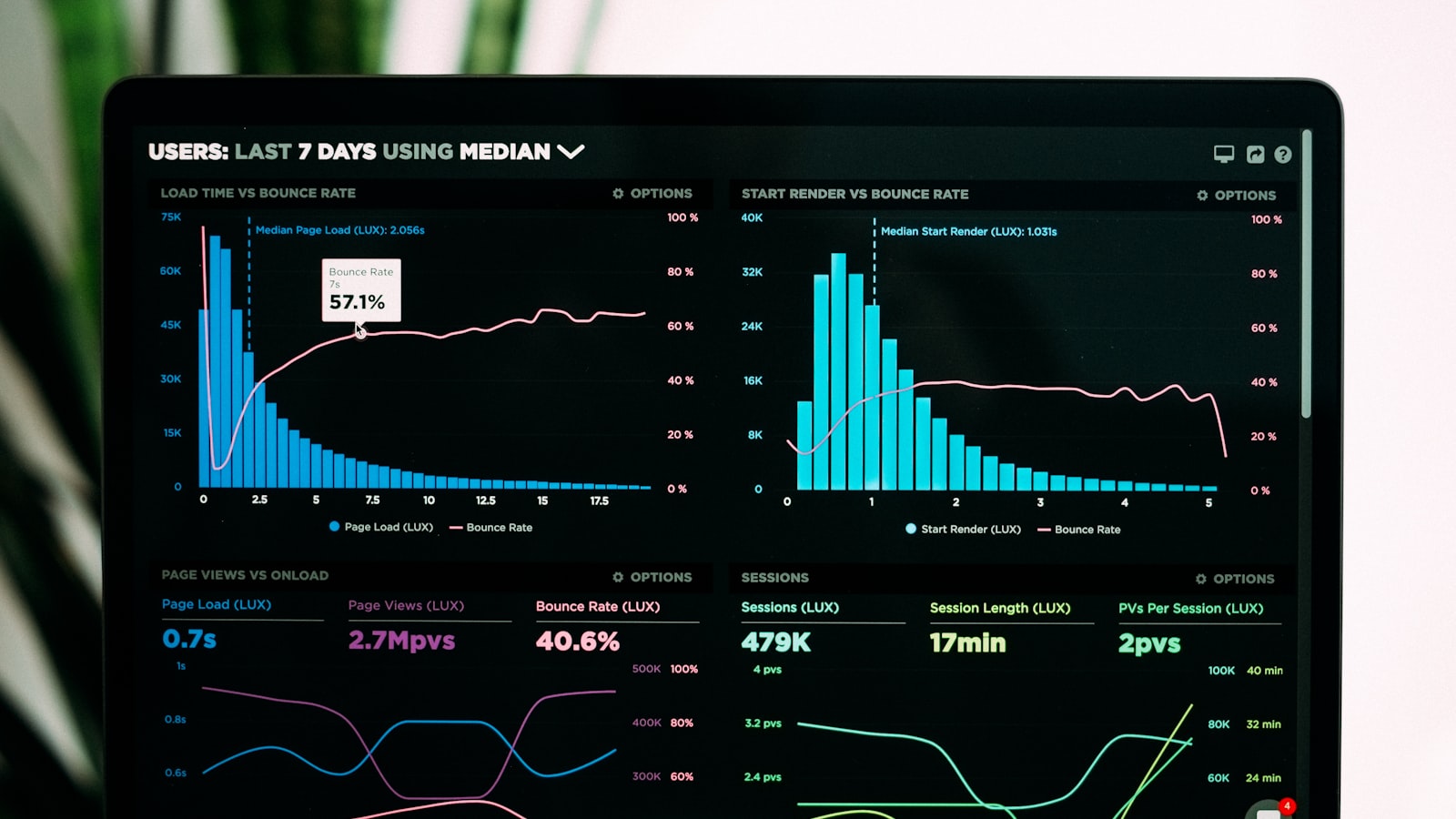
Modern revenue management systems use AI and machine learning to optimize pricing decisions
Understanding each platform's heritage and approach provides context for detailed feature analysis.
IDeaS Revenue Management System
IDeaS (Integrated Decisions & Systems), owned by SAS Institute since 2008, represents the traditional powerhouse of hotel revenue management. Founded in 1989, IDeaS pioneered automated revenue optimization and has deployed systems across thousands of properties globally.
Market Position: Enterprise-focused, serving major hotel brands, large management companies, and sophisticated independent properties. Strong presence across all segments from economy to luxury.
Architecture: Robust analytics engine built on SAS analytics platform. Traditional enterprise software architecture with cloud deployment increasingly available.
Differentiation: Deep forecasting capabilities, extensive customization options, total revenue management across all hotel revenue streams, and proven track record at scale.
Target User: Revenue managers and teams at properties with 100+ rooms, hotel groups, and organizations requiring sophisticated analytics and customization.
Duetto Revenue Management Platform
Duetto, founded in 2012, brought modern cloud architecture and design thinking to revenue management. The platform emphasizes intuitive user experience, real-time decision support, and accessibility for revenue managers without requiring data science expertise.
Market Position: Mid-market to enterprise, serving independent hotels, boutique groups, and forward-thinking brands seeking modern technology. Particularly strong in lifestyle and luxury segments.
Architecture: Cloud-native SaaS platform built for real-time performance and mobile accessibility. Modern API-first design for integration ecosystem.
Differentiation: GameChanger demand calendar visualization, OpenPricing (removes traditional rate fences), intuitive UX, and rapid deployment timeline.
Target User: Revenue managers seeking actionable insights without analytics complexity. Properties from 50-500+ rooms prioritizing speed and usability.
For broader revenue management options, see our best hotel revenue management systems 2026.
Core Features Comparison
 Sophisticated pricing strategies require robust forecasting and optimization engines
Both platforms provide comprehensive revenue management capabilities but with different emphases and approaches.
Forecasting Capabilities
IDeaS Forecasting:
- Unconstrained demand forecasting (what demand would be without inventory limits)
- Constrained forecasting (actual bookings accounting for capacity)
- Multiple forecasting models (pickup, booking curve, market segment)
- Historical analysis spanning years of data
- Event impact modeling
- Competitive set forecasting
- Group business forecasting with wash analysis
- Catering and meeting space demand forecasting
Duetto Forecasting:
- Real-time unconstrained demand calculation
- Dynamic booking curve analysis
- Market segment demand forecasting
- Price sensitivity modeling
- Forward-looking demand prediction updated continuously
- Event and special date impact
- Competitive rate intelligence integration
- Single-source forecast across all revenue streams
Verdict: IDeaS provides more forecasting model options and deeper historical analysis capabilities. Duetto emphasizes real-time forecasting that updates continuously rather than nightly batch processes. For properties with complex forecasting needs (large convention hotels, seasonal resorts), IDeaS depth provides advantage. For properties prioritizing agility and real-time adjustments, Duetto's continuous updates are beneficial.
Pricing Optimization
IDeaS Optimization:
- Scientific price optimization using SAS analytics
- BAR (Best Available Rate) optimization
- Rate strategy by market segment
- Length of stay optimization
- Overbooking optimization to maximize revenue while minimizing walk costs
- Discount and package optimization
- Group pricing recommendations
- Total revenue optimization (rooms + F&B + spa + other revenue)
Duetto Optimization:
- OpenPricing algorithm (dynamic pricing without rate fences)
- Real-time price recommendations
- Price position optimization relative to competition
- Fair pricing engine (balances revenue optimization with guest perception)
- Package and bundle optimization
- Open vs. restricted pricing strategies
- Upsell opportunity identification
- Total hotel revenue optimization across departments
Verdict: Both platforms optimize pricing effectively but with philosophical differences. IDeaS maintains traditional BAR-based rate structures with fences. Duetto's OpenPricing removes traditional rate fences, letting the system determine optimal price for each booking opportunity based on all variables. Neither approach is objectively superior—choice depends on your pricing philosophy and operational preferences.
For detailed revenue optimization strategies, see our hotel dynamic pricing software 2026 guide.
Rate Recommendation & Distribution
IDeaS Recommendations:
- Recommended BAR by day
- Recommended restrictions (min/max stay, CTA/CTD)
- Recommended rate strategy by segment
- Recommended overbooking levels
- Confidence indicators for recommendations
- Override capability with documentation
- Automated rate loading to PMS/CRS (with integration)
Duetto Recommendations:
- GameChanger visual demand calendar
- Recommended rates displayed visually by demand level
- Suggested restrictions and strategies
- Real-time recommendation updates
- Mobile access to recommendations
- One-click rate acceptance and distribution
- Automated distribution to PMS and channels
Verdict: Duetto's GameChanger visualization makes recommendations more accessible and actionable for users who aren't analytics experts. IDeaS provides more granular control and detailed reasoning behind recommendations. Duetto excels at speed of decision-making; IDeaS at depth of analysis.
Analytics & Reporting
IDeaS Analytics:
- Comprehensive performance dashboards
- Pickup reports and pace analysis
- Market segment performance
- Competitive set benchmarking
- Revenue variance analysis (budget vs. actual vs. forecast)
- Custom report builder
- Data export for business intelligence tools
- Executive summary reports
Duetto Analytics:
- Real-time performance dashboard
- Interactive demand calendar
- Pace and pickup visualization
- Segment profitability analysis
- Competitive intelligence integration
- Revenue attribution modeling
- Mobile analytics app
- Automated executive reporting
Verdict: Both platforms provide robust analytics. IDeaS offers more customization and deeper data manipulation for power users. Duetto prioritizes visual analytics and accessibility, making insights more digestible for non-analysts. IDeaS analytics feel more like traditional BI tools; Duetto's approach emphasizes visual storytelling.
User Experience & Interface
 User interface quality determines whether revenue managers efficiently leverage system capabilities
User experience directly impacts whether revenue managers extract full value from the system or struggle with complexity.
IDeaS User Interface
Design Philosophy: Function over form. Comprehensive data presentation prioritizes completeness over simplicity.
Learning Curve: Steeper. New users typically require 2-4 weeks to become proficient, longer to master advanced features.
Navigation: Traditional enterprise software organization with menus, tabs, and extensive configuration options.
Customization: Highly customizable dashboards, reports, and workflows. Requires setup time but enables personalized experience.
Mobile Experience: Mobile access available but interface not optimized for mobile-first use.
Typical User Sentiment: "Powerful but takes time to learn. Everything you need is there once you know where to find it."
Duetto User Interface
Design Philosophy: Intuitive visual design. GameChanger calendar visualization puts demand picture front and center.
Learning Curve: Gentler. Users typically productive within days, proficient within 1-2 weeks.
Navigation: Modern, clean interface organized around visual demand calendar. Fewer clicks to common actions.
Customization: Moderate customization options. Balanced between flexibility and simplicity.
Mobile Experience: Fully responsive design. Dedicated mobile app for key functions. Revenue managers can make decisions on smartphone.
Typical User Sentiment: "Finally, revenue management software that's actually pleasant to use daily."
Verdict: Duetto delivers significantly better user experience for most users. This isn't trivial—revenue managers use these systems daily. Frustrating interface leads to underutilization and slower decision-making. IDeaS provides depth but requires investment in training and usage to unlock value. Duetto's accessibility allows broader team participation in revenue decisions.
Integration Ecosystem
 Revenue management systems must integrate seamlessly with PMS, channel managers, and other hotel technology
Integration quality determines whether your RMS operates on complete data and can distribute decisions effectively.
IDeaS Integrations
Core Integrations:
- PMS systems (Opera, Protel, Infor HMS, Mews, Cloudbeds, 100+ others)
- CRS platforms (SynXis, Amadeus, others)
- Channel managers (major platforms)
- Business intelligence tools (Tableau, Power BI, custom exports)
- Competitive intelligence (STR, OTA Insight, others)
- Group sales systems (Delphi, Cvent)
Data Flow:
- Bidirectional PMS integration (historical data, forecasts, recommendations)
- Automated rate loading to PMS/CRS
- Pickup and booking data in real-time or near-real-time
- Group block data import
- Event and competitor data feeds
Integration Approach: Traditional enterprise integrations, often requiring IT involvement for setup and troubleshooting. Robust but sometimes complex.
Duetto Integrations
Core Integrations:
- PMS systems (Opera, Mews, Cloudbeds, Protel, 150+ others)
- Channel managers (SiteMinder, Cubilis, others)
- CRS platforms (major systems)
- Business intelligence and data warehouses
- Competitive intelligence (STR, OTA Insight, Lighthouse)
- Event and group systems
- CRM platforms
Data Flow:
- Real-time PMS data synchronization
- Automated rate distribution
- Continuous pickup monitoring
- Market data integration
- API-first architecture for custom integrations
Integration Approach: Modern API-based integrations designed for easier setup and maintenance. Self-service integration management where possible.
Verdict: Both platforms integrate with major hotel systems comprehensively. Duetto's modern architecture typically makes integration setup faster and maintenance easier. IDeaS provides deep, proven integrations with legacy enterprise systems. Integration quality with your specific PMS matters more than theoretical capability—verify your exact PMS integration during evaluation.
For integration planning, see our hotel API integration platforms 2026 guide.
Implementation & Training
 Implementation timeline and complexity directly impact time-to-value
Implementation approach affects how quickly you achieve ROI and whether your team successfully adopts the system.
IDeaS Implementation
Timeline: Typically 12-20 weeks from contract to go-live.
Process:
- Weeks 1-4: Data gathering, historical data transfer, system configuration
- Weeks 5-8: Integration setup with PMS/CRS, competitive set definition
- Weeks 9-12: Testing, validation, calibration of algorithms
- Weeks 13-16: User training, parallel operation
- Weeks 17-20: Go-live, initial tuning
Resources Required:
- Dedicated implementation team from IDeaS
- Revenue manager committed 10-20 hours weekly during implementation
- IT support for PMS integration and data access
- Executive sponsor for strategic decisions
Training:
- Comprehensive initial training (3-5 days)
- Role-based training modules
- Ongoing certification programs
- Annual user conferences
- Support documentation and knowledge base
Support: Dedicated implementation specialist, then transition to ongoing support team. 24/7 technical support available.
Duetto Implementation
Timeline: Typically 6-12 weeks from contract to go-live.
Process:
- Weeks 1-2: Data integration setup, historical data import
- Weeks 3-4: System configuration, competitive set, segments
- Weeks 5-7: Testing, algorithm calibration
- Weeks 8-9: User training and parallel operation
- Weeks 10-12: Go-live and initial optimization
Resources Required:
- Duetto implementation team
- Revenue manager 5-15 hours weekly during implementation
- IT support for PMS integration (often minimal)
- Stakeholder availability for training
Training:
- Interactive training sessions (2-3 days typically)
- Self-guided learning modules
- Live webinars
- Duetto University certification
- Regular user community events
Support: Implementation specialist through go-live, ongoing customer success manager, 24/7 technical support, responsive community forums.
Verdict: Duetto's implementation is typically 30-50% faster than IDeaS, reducing time-to-value. IDeaS's longer timeline reflects deeper configuration options and more extensive validation—appropriate for very large or complex properties but potentially excessive for mid-market hotels. Faster isn't automatically better if it sacrifices proper calibration, but Duetto has refined rapid deployment to an effective process.
Pricing & Total Cost
 Total cost of ownership includes subscription, implementation, training, and ongoing support
Pricing structures differ significantly between platforms, affecting budget planning and ROI calculations.
IDeaS Pricing
Pricing Model: Custom enterprise pricing based on room count, property count, and feature requirements.
Typical Costs (100-room hotel):
- Implementation: $15,000-40,000 depending on complexity
- Annual Subscription: $12,000-30,000 (typically $120-300 per room annually)
- Contract Term: Typically 3-year commitments
- Additional Modules: Group pricing, total revenue management, ScaleUp add-on fees
Hidden Costs:
- Advanced training programs
- Custom integration work
- Dedicated server/hosting for on-premise deployments
- Consulting for complex optimization scenarios
Best For: Properties with 100+ rooms where sophisticated optimization justifies investment. Multi-property groups benefit from volume discounts.
Duetto Pricing
Pricing Model: Tiered subscription based on room count with transparent pricing.
Typical Costs (100-room hotel):
- Implementation: $5,000-15,000
- Annual Subscription: $8,000-20,000 (typically $80-200 per room annually)
- Contract Term: Annual or multi-year with flexibility
- Add-Ons: Blocks (group optimization), ScoreBoard (rate shopping), additional cost
Hidden Costs:
- Competitive intelligence data subscriptions (STR, OTA Insight)
- Advanced training and consultation
- Premium support tiers
Best For: Independent hotels and small groups from 50-300 rooms prioritizing rapid ROI. Transparent pricing appeals to properties preferring predictable costs.
ROI Considerations
For a 150-room hotel with $6 million in annual room revenue:
IDeaS: Annual cost $25,000-40,000. Break-even requires 0.4-0.7% revenue increase. Typical hotels achieve 3-8% RevPAR improvement (conservative estimate), representing $180,000-480,000 additional annual revenue.
Duetto: Annual cost $15,000-25,000. Break-even requires 0.25-0.4% revenue increase. Typical properties achieve 2-7% RevPAR lift, representing $120,000-420,000 additional annual revenue.
Both platforms consistently deliver ROI significantly exceeding costs when properly implemented and actively managed. The question isn't whether RMS pays for itself—it's which platform delivers optimal value for your specific situation.
For ROI calculations, see our hotel technology ROI guide.
Forecasting Accuracy
 Accurate forecasting forms the foundation for effective revenue optimization
Forecasting accuracy determines pricing decision quality. Inaccurate forecasts lead to leaving money on the table or pricing yourself out of the market.
IDeaS Forecasting Approach
Methodology: Multiple forecasting models combine:
- Pickup analysis (booking pace)
- Booking curve modeling (when bookings typically occur)
- Historical patterns and seasonality
- Event and special date impacts
- Market segment behavior
- Competitive dynamics
Strengths:
- Deep historical analysis leveraging years of data
- Sophisticated outlier detection and data cleansing
- Manual override capability for known factors
- Group wash analysis (how group blocks affect transient demand)
- Unconstrained demand visibility
Accuracy: IDeaS claims 90-95% forecast accuracy for near-term periods (0-30 days out) under normal conditions. Accuracy decreases for longer-term forecasts and unusual market disruptions.
Calibration: Requires 12-18 months of clean historical data for optimal performance. Ongoing calibration improves accuracy over time.
Duetto Forecasting Approach
Methodology: Real-time forecasting engine combining:
- Continuous pickup monitoring
- Dynamic booking curve analysis
- Price elasticity modeling
- Market intelligence integration
- Event data incorporation
- Competitive positioning analysis
Strengths:
- Real-time forecast updates as bookings occur
- Price sensitivity modeling informs pricing decisions
- Visual demand representation
- Faster reaction to market changes
- Less dependency on extensive historical data
Accuracy: Duetto reports 85-95% forecast accuracy for near-term periods. Real-time updates help maintain accuracy even as conditions change.
Calibration: Reaches good accuracy faster than traditional systems (6-12 months). Continuous learning adapts to evolving patterns.
Verdict: Both platforms forecast accurately enough to drive effective pricing decisions. IDeaS leverages deep historical analysis for complex properties with stable patterns. Duetto's real-time approach adapts faster to changing conditions and requires less historical data for good results. For established properties with years of data, IDeaS depth provides edge. For newer properties or markets with rapid change, Duetto's agility helps.
Ideal Use Cases
Different property types and operational approaches benefit from different platform strengths.
Choose IDeaS If:
- Large hotel (200+ rooms) with complex revenue streams (rooms, F&B, spa, meeting space)
- Major hotel brand or management company with 10+ properties requiring portfolio optimization
- Heavy group business requiring sophisticated wash analysis and group pricing
- Resort with highly seasonal demand and complex rate structures
- Organization with dedicated revenue management team (multiple analysts)
- Existing SAS analytics infrastructure or business intelligence environment
- Revenue strategy emphasizes traditional rate fences and BAR-based pricing
- Regulatory or brand requirements mandate specific enterprise certifications
- Budget supports enterprise-level investment with multi-year commitment
- Prefer depth and customization over interface simplicity
Choose Duetto If:
- Independent hotel or boutique group (50-300 rooms)
- Revenue manager working independently or small team
- Want rapid implementation (under 3 months to value)
- Prioritize user experience and daily usability
- Interested in OpenPricing philosophy removing traditional rate fences
- Limited historical data (new property or recent repositioning)
- Mobile access and remote management important
- Forward-thinking revenue strategy emphasizing agility
- Prefer transparent, predictable pricing
- Value visual analytics and intuitive decision support
- Want broader team participation in revenue decisions
When Either Works:
Mid-to-large independent hotels (150-300 rooms) and small hotel groups (3-10 properties) may find either platform suitable. Decision factors:
- Team technical sophistication (IDeaS) vs. preference for intuitive UX (Duetto)
- Pricing philosophy (traditional rate fences vs. OpenPricing)
- Implementation timeline preferences (comprehensive vs. rapid)
- Budget structure (larger enterprise investment vs. lower predictable costs)
- Integration with existing technology ecosystem
Alternatives Worth Considering
While IDeaS and Duetto dominate mind share, other platforms merit evaluation:
For Enterprise Properties:
- Rainmaker: Strong in North American full-service segment
- Atomize: AI-driven pricing with modern approach
For Independent Hotels:
- RoomPriceGenie: Affordable, simplified RMS for smaller properties
- Pace Revenue: Good mid-market option with growing capabilities
For Budget-Conscious Properties:
- Built-in PMS Revenue Tools: Modern PMS platforms (Mews, Cloudbeds) include basic revenue optimization
- Rate shopping + Manual Strategy: OTA Insight or Rate Gain for competitive intelligence, manual pricing decisions
For comprehensive revenue management options, review our best hotel revenue management systems 2026.
Conclusion
IDeaS and Duetto represent fundamentally different philosophies in revenue management software. Neither is universally superior—the right choice depends on your property characteristics, operational approach, and strategic priorities.
IDeaS delivers enterprise-grade analytics depth, extensive customization, and proven performance at scale. It's the right choice for large, complex properties and hotel groups where sophisticated optimization across multiple revenue streams justifies the investment in cost and learning curve. Properties with dedicated revenue teams who value analytical depth and control will appreciate IDeaS capabilities.
Duetto optimizes for user experience, rapid time-to-value, and intuitive decision support. Independent hotels and smaller groups benefit from faster implementation, accessible interface, and modern pricing philosophy without requiring revenue management expertise. Organizations prioritizing agility and ease of use will find Duetto's approach refreshing.
For most independent hotels under 200 rooms, Duetto delivers better ROI through faster implementation, lower costs, and higher user satisfaction leading to more active system utilization. For hotel groups, large properties, and organizations with complex revenue optimization needs, IDeaS provides capabilities that justify the investment.
The decision isn't about which platform is objectively better in a vacuum—it's about which aligns with your property size, revenue management maturity, team capabilities, and strategic approach. Both platforms consistently deliver meaningful RevPAR improvement when properly implemented and actively managed.
Evaluate both against your specific requirements, request demos focusing on your actual use cases, involve your revenue team in the decision, and choose based on fit rather than feature lists. Your revenue management system directly impacts your property's financial performance. Choose wisely.
Frequently Asked Questions
Can I implement RMS without a dedicated revenue manager?
Possible but challenging. Revenue management systems provide recommendations, but human judgment remains essential for contextual decisions. Duetto is more accessible for general managers or multi-tasking staff handling revenue management among other responsibilities—intuitive interface requires less specialized expertise. IDeaS assumes revenue management expertise and requires dedicated attention to extract full value. For properties under 100 rooms without dedicated revenue managers, consider simplified RMS options like RoomPriceGenie or rely on robust rate shopping tools plus manual pricing strategy until you can justify dedicated revenue management focus.
How long until I see ROI from revenue management systems?
Most hotels see measurable RevPAR improvement within 3-6 months, full ROI within 6-12 months. Timeline factors: Properties with sophisticated existing revenue management see slower gains (already optimizing well). Hotels currently using manual pricing or basic rules see faster improvement (more low-hanging fruit). Duetto typically delivers faster initial gains due to rapid implementation and immediate usability. IDeaS may take longer to show full value as teams master advanced features. Both platforms deliver compound benefits over time as forecasting accuracy improves and you refine strategies. For detailed ROI calculations, see our hotel technology ROI guide.
Do these platforms work for small hotels under 50 rooms?
Challenging economics for very small properties. Cost: Both platforms cost $80-300+ per room annually. For a 25-room hotel, that's $2,000-7,500 annually—potentially 1-3% of total room revenue. Justification: Requires 1-3% RevPAR improvement just to break even. Possible but tight margins. Alternative Recommendation: Consider RoomPriceGenie (designed for small properties, $50-150/month flat fee), or manual revenue management using rate shopping tools plus your knowledge of local demand patterns. Save enterprise RMS investment for when you grow beyond 50 rooms or operate multiple small properties where portfolio optimization justifies costs.
Can I switch RMS platforms later if I choose wrong?
Yes, though switching involves effort and cost. Migration Process: 3-6 month timeline to implement new RMS, including historical data transfer, integration setup, testing, and training. Continuity: You'll run old and new systems in parallel briefly. Revenue optimization continues throughout transition. Sunk Costs: Lose remaining value on old contract (most RMS require 1-3 year commitments). New implementation fees apply. When to Switch: Don't switch prematurely—give current system 12-18 months before judging. Switch when: platform fundamentally can't meet needs, vendor relationship unsatisfactory, better option clearly justifies transition costs. Choosing carefully initially avoids switching costs and disruption.
How much training do revenue managers really need?
IDeaS: Plan for 3-5 days initial training plus 2-4 weeks working with system daily to become proficient. Advanced features require ongoing learning. Experienced revenue managers adapt faster; those new to RMS take longer. Annual refresher training recommended. Duetto: 2-3 days initial training, 3-7 days to proficiency. More intuitive interface reduces training burden. New revenue managers can be productive quickly. Ongoing: Both platforms evolve continuously—budget 1-2 hours monthly for webinars and new feature learning. Vendor user conferences (annual) provide valuable education. Investment in training directly impacts ROI—undertrained teams underutilize systems.
What if my PMS doesn't integrate with my preferred RMS?
PMS integration is essential—don't choose RMS without strong PMS connectivity. If preferred RMS lacks native integration: Option 1: Choose different RMS with proven PMS integration—integration quality matters more than specific platform features. Option 2: Verify whether custom integration available (some vendors build connections for committed customers). Option 3: Upgrade PMS to modern platform with broad RMS integration support. Option 4: Use middleware (integration platforms) though this adds complexity and cost. Verify integration quality during evaluation—"supports integration" varies from robust real-time synchronization to basic data exports requiring manual work. For integration considerations, see our hotel API integration platforms guide.
More Articles

Best Mobile PMS Apps for Hotels in 2026: Manage from Anywhere
Compare the top mobile hotel PMS apps for iOS and Android in 2026. Discover which property management systems offer the best mobile functionality for hotel staff on the go.

Best Contactless Hotel Check-In Software in 2026: Complete Guide
Compare the top contactless check-in solutions for hotels in 2026. Discover how self-service kiosks, mobile check-in, and digital keys improve guest experience and reduce front desk workload.

Hotel Data Analytics and Reporting Software: Complete Guide 2026
Discover the best hotel analytics and business intelligence software in 2026. Learn how data-driven insights improve revenue, operations, and guest satisfaction at your property.