SynXis vs BookingSuite Booking Engine: 2026 Feature & Performance Comparison

Direct bookings represent the most profitable revenue channel for hotels, avoiding OTA commissions that can reach 15-25% of room revenue. Your booking engine serves as the digital front door to these direct bookings, directly impacting conversion rates, average booking value, and guest acquisition costs.
SynXis (by Sabre Hospitality) and BookingSuite (formerly SiteMinder's booking engine product) dominate the enterprise hotel booking engine market. Both platforms power direct bookings for thousands of properties worldwide, but they approach the problem with different philosophies and strengths.
This comprehensive comparison examines both platforms across features, performance, pricing, and ideal use cases to help you make an informed decision.
Platform Overview
Modern booking engines must deliver seamless experiences across all devices
Understanding each platform's core architecture and positioning provides context for detailed feature comparisons.
SynXis Booking Engine
Sabre Hospitality's SynXis suite combines a central reservation system (CRS) with booking engine, channel manager, and revenue optimization tools. The booking engine integrates tightly with the broader SynXis ecosystem, making it particularly powerful for hotel groups and chains managing inventory across multiple properties and distribution channels.
Market Position: Enterprise-focused, serving major hotel brands, management companies, and larger independent properties. Strong in North America and Europe with growing Asia-Pacific presence.
Architecture: Robust CRS-centric architecture designed for high transaction volumes and complex rate/inventory management.
Differentiation: Deep integration with GDS (Global Distribution Systems), loyalty programs, and enterprise revenue management systems. Built for scale and complexity.
BookingSuite Booking Engine
BookingSuite evolved from SiteMinder's legacy product into a standalone booking engine designed for independent hotels and smaller groups. It emphasizes ease of use, rapid implementation, and conversion optimization through continuous A/B testing and user experience refinement.
Market Position: Mid-market focused, serving independent hotels, boutique properties, and small hotel groups. Particularly strong in Asia-Pacific, expanding globally.
Architecture: Cloud-native platform optimized for speed, mobile performance, and visual customization without technical expertise.
Differentiation: Conversion rate optimization tools, extensive design flexibility, and tight integration with SiteMinder's channel manager ecosystem.
For broader booking engine options, see our guide on best hotel booking engines 2026.
User Interface & Guest Experience
 Mobile bookings now exceed 60% of direct hotel reservations
Guest-facing experience directly determines conversion success. Small friction points compound into abandoned bookings and lost revenue.
SynXis Interface
Design Philosophy: Clean, professional, enterprise-standard interface prioritizing clarity and error reduction over visual flair.
Booking Flow: Typical 4-5 step process—search, select room, add extras, enter details, confirm. Straightforward but somewhat utilitarian.
Customization: Moderate visual customization through CSS and configuration options. Significant changes require development expertise.
Mobile Experience: Responsive design adapts to mobile screens. Functional but not mobile-first in design approach.
Speed: Generally fast load times with proper configuration. Heavy page weight can slow performance on slower connections.
Guest Features:
- Room comparison tools
- Multiple room booking in single transaction
- Upsell prompts for room upgrades and packages
- Loyalty program integration
- Multi-language support (50+ languages)
- Multi-currency pricing
BookingSuite Interface
Design Philosophy: Conversion-optimized interface with modern visual design and streamlined booking paths.
Booking Flow: Optimized 3-4 step process with progress indicators. Reduces friction through smart defaults and minimal required fields.
Customization: Extensive visual customization through no-code tools. Match exact brand aesthetics without developer involvement.
Mobile Experience: Mobile-first design approach. Touch-optimized controls, simplified mobile checkout, digital wallet support.
Speed: Lightweight design emphasizes fast load times. Typically 20-30% faster page loads than SynXis in comparable configurations.
Guest Features:
- Visual room selection with high-quality imagery
- Package bundling and upsells
- Rate comparison (show savings vs OTA pricing)
- Guest reviews integrated into booking flow
- Express checkout for returning guests
- Real-time availability updates
Conversion Advantage: BookingSuite's conversion-focused design typically achieves 5-15% higher conversion rates than SynXis in comparable implementations, though actual performance depends heavily on property-specific factors like imagery, pricing strategy, and website traffic quality.
Feature Comparison
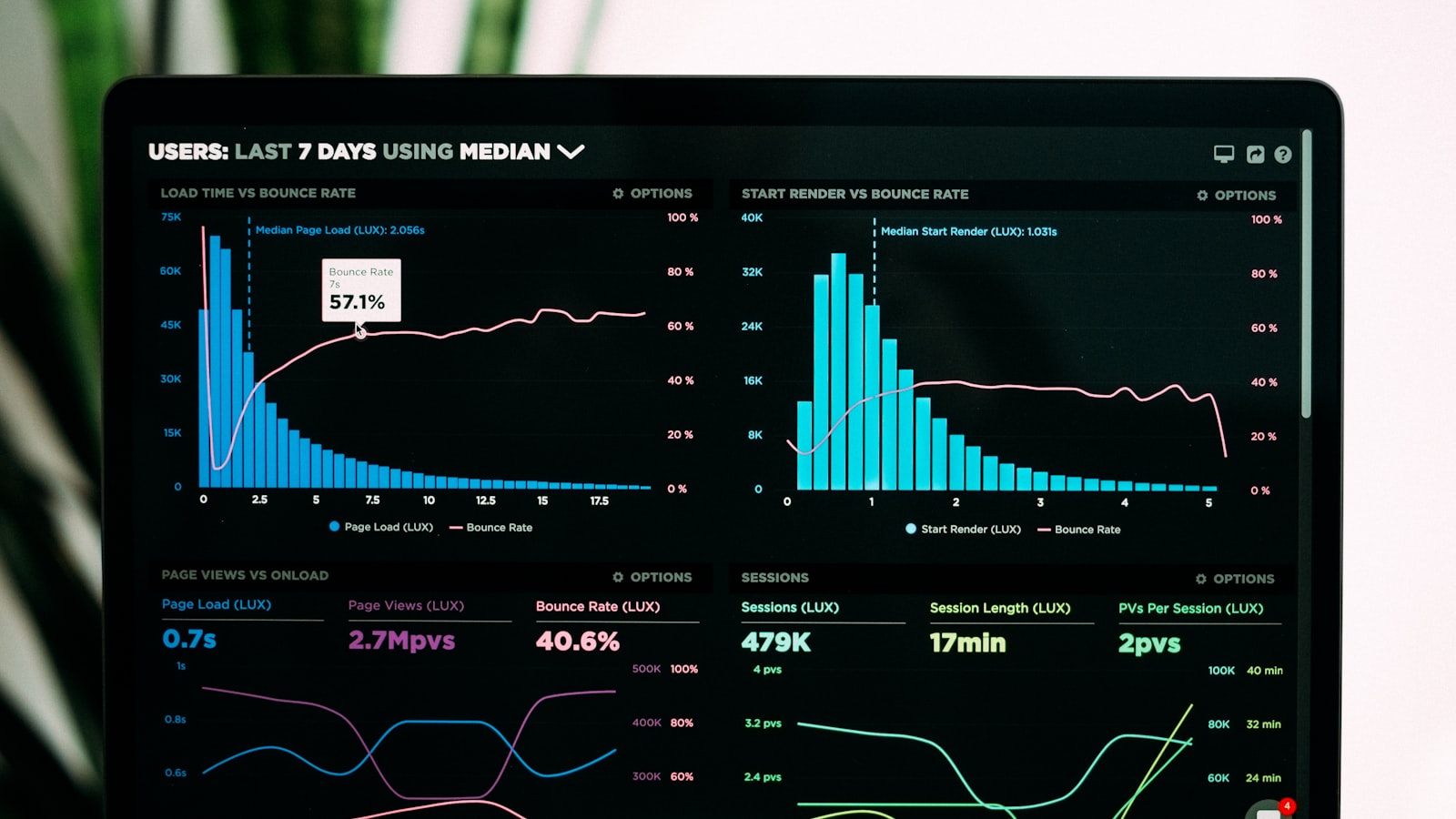 Feature depth matters, but only if those features drive measurable business outcomes
Both platforms offer comprehensive feature sets, but with different emphases reflecting their target markets.
Rate & Availability Management
SynXis:
- Complex rate plan structures (BAR, corporate, packages, group)
- Rate restrictions and stay controls (min/max nights, close to arrival/departure)
- Real-time rate synchronization across CRS and all channels
- Dynamic pricing integration with IDeaS or Duetto
- Group block management with custom billing rules
- Multi-property rate synchronization for chains
BookingSuite:
- Flexible rate plans with basic restrictions
- Real-time inventory sync with channel manager
- Mobile rate updates through dedicated app
- Rate parity monitoring tools
- Package creation and management
- Promotional code system with detailed tracking
Verdict: SynXis offers superior complexity handling for large properties with intricate rate structures. BookingSuite provides everything most independent hotels need with much simpler management interface.
Upselling & Revenue Optimization
SynXis:
- Room upgrade prompts during booking
- Package bundling with activities and amenities
- Cross-sell opportunities for multiple properties
- Post-booking email campaigns for ancillary revenue
- Integration with enterprise revenue management systems
BookingSuite:
- AI-powered upsell recommendations
- Visual package presentation
- Last-room-available urgency messaging
- Guest-specific offers based on booking patterns
- Abandoned cart recovery campaigns
- Direct OTA price comparison display
Verdict: BookingSuite's conversion optimization tools feel more modern and data-driven. SynXis provides deeper integration for complex enterprise upselling strategies across property portfolios.
For upselling strategies, review our hotel upselling software guide.
Payment Processing
SynXis:
- PCI DSS Level 1 compliant payment processing
- Support for 100+ currencies and payment methods
- Tokenization for secure stored payment details
- Deposit and prepayment rule configuration
- Integration with major processors (Stripe, Adyen, FreedomPay)
- Group billing and invoice generation
BookingSuite:
- Integrated payment gateway options
- Digital wallet support (Apple Pay, Google Pay)
- Flexible deposit structures
- Automatic payment retries for failed transactions
- Fraud detection integration
- Split payment options
Verdict: Both platforms handle payments securely and comprehensively. SynXis edges ahead for complex payment scenarios (group billing, multi-property consolidation), while BookingSuite offers smoother consumer payment experiences.
Analytics & Reporting
SynXis:
- Comprehensive booking funnel analysis
- Source attribution tracking
- Revenue and ADR reporting by segment
- Conversion rate analysis by traffic source
- Multi-property consolidated reporting
- Custom report builder
- Data export to business intelligence tools
BookingSuite:
- Real-time conversion dashboard
- A/B testing results and recommendations
- Booking abandonment analysis
- Channel performance comparison
- Revenue attribution modeling
- Heat mapping and user behavior analysis
- Integration with Google Analytics
Verdict: BookingSuite provides more actionable, accessible analytics for optimization. SynXis offers deeper data for complex enterprise reporting needs.
Integration Ecosystem
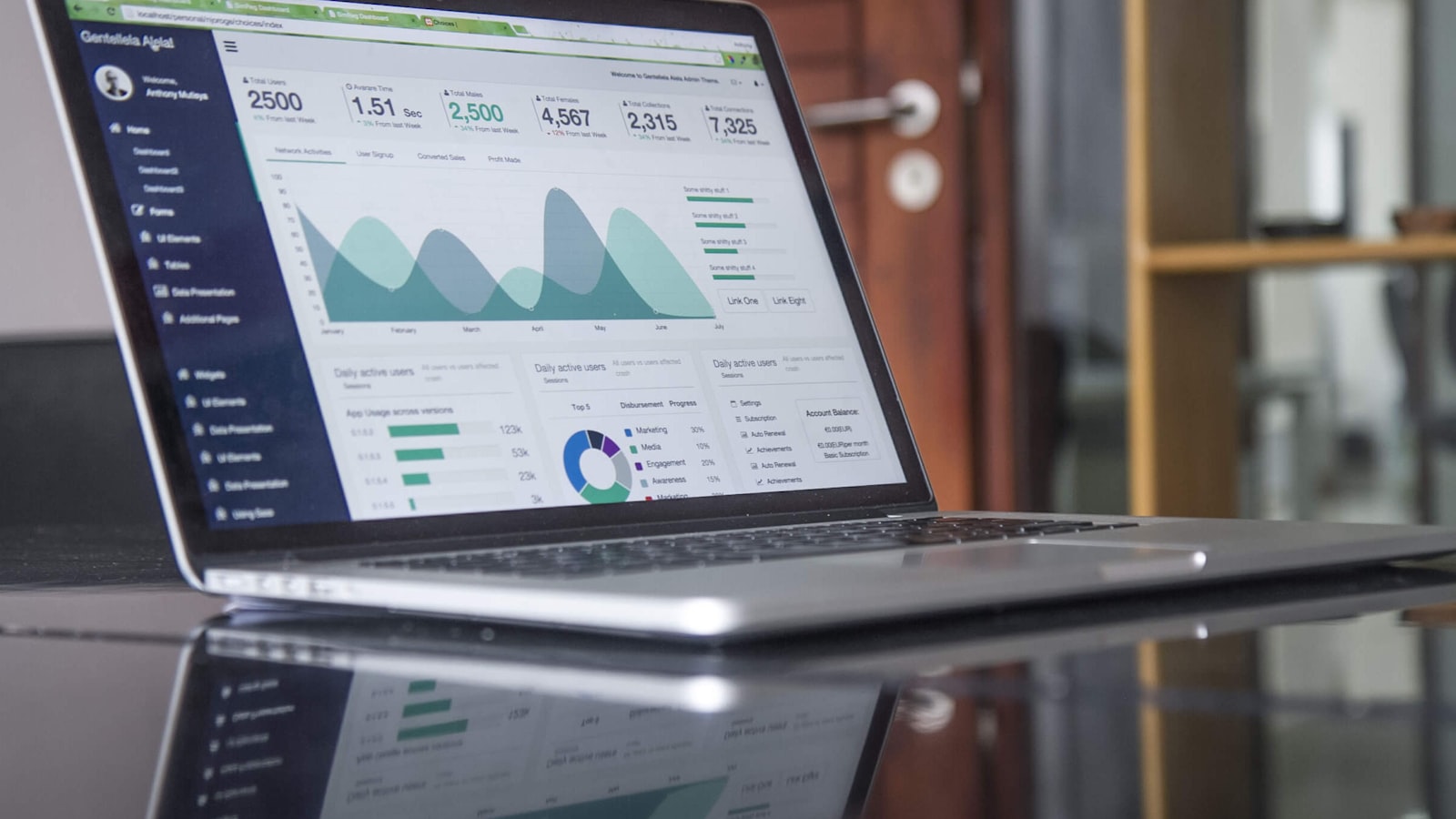 Modern hotel technology requires seamless connectivity between specialized systems
Integration capabilities determine how well your booking engine fits into your broader technology ecosystem.
SynXis Integrations
Core Integrations:
- Native SynXis CRS integration (obviously)
- Major PMS platforms (Opera, Protel, Mews, Cloudbeds)
- Global distribution systems (Amadeus, Galileo, Worldspan)
- Revenue management (IDeaS, Duetto, Rainmaker)
- Channel managers (if not using SynXis CRS)
- CRM platforms (Salesforce, Microsoft Dynamics)
Website Integration:
- WordPress plugin available
- JavaScript embed for any website platform
- RESTful API for custom integrations
- White-label options for branded booking sites
Data Sharing:
- Real-time inventory synchronization
- Bidirectional rate updates
- Guest profile synchronization
- Booking confirmation flows
- Cancellation and modification handling
BookingSuite Integrations
Core Integrations:
- Tight integration with SiteMinder channel manager
- 300+ PMS integrations through SiteMinder platform
- Payment gateways (Stripe, PayPal, Adyen, local processors)
- Revenue management systems
- Guest messaging platforms
- Review management tools
Website Integration:
- No-code website widget
- Direct API for developers
- Integration with major website builders
- Meta search connectivity (Google Hotel Ads, TripAdvisor)
Data Sharing:
- Real-time availability and rate sync
- Guest data capture to PMS
- Booking modifications and cancellations
- Revenue reporting
- Marketing automation triggers
Verdict: SynXis provides deeper enterprise-grade integrations, particularly with GDS and complex revenue systems. BookingSuite offers broader PMS compatibility and easier integration for independent properties through the SiteMinder ecosystem.
For integration planning, see our hotel API integration platforms guide.
Pricing & Total Cost
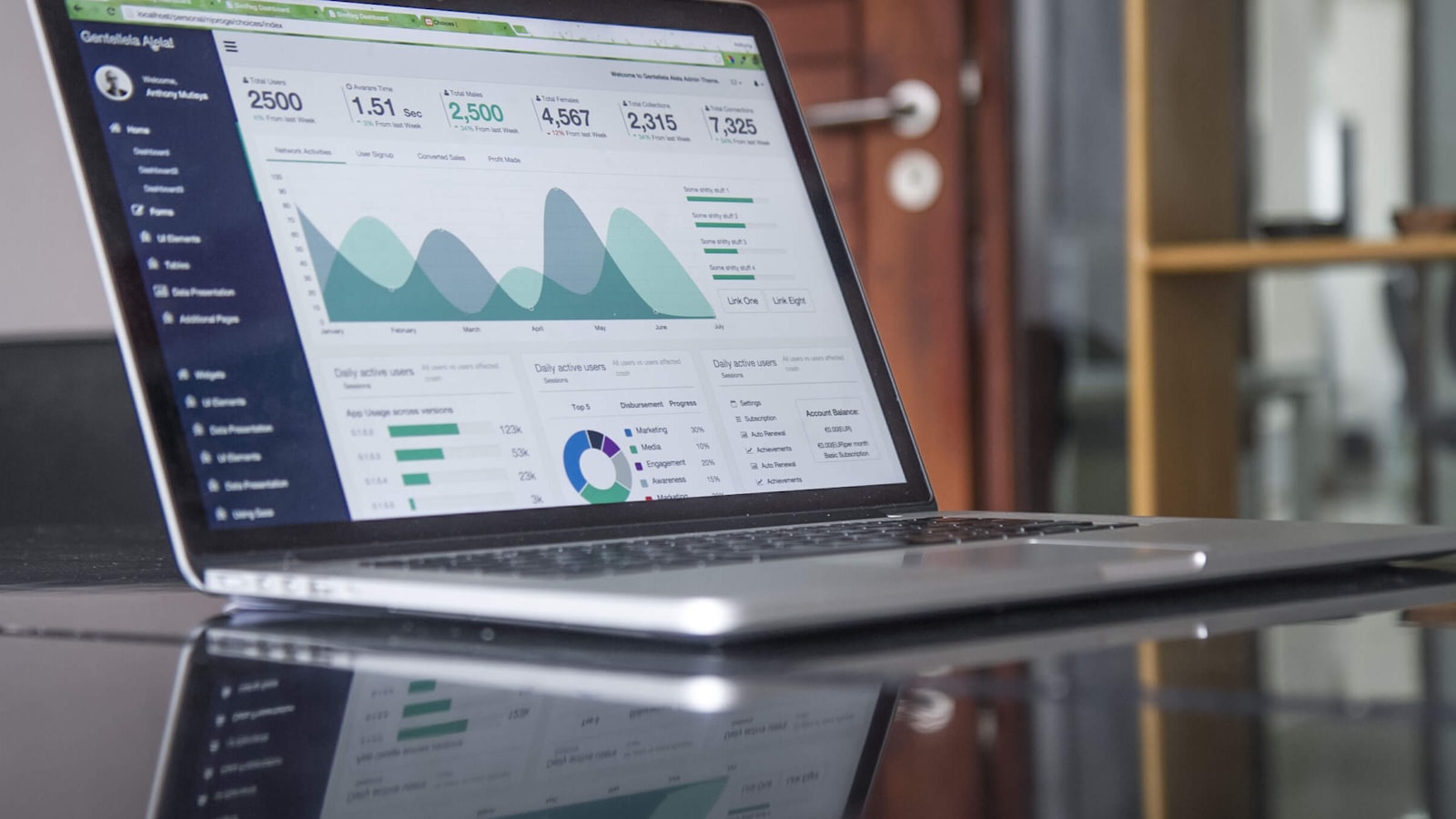 Total cost extends beyond monthly fees to include implementation, transaction costs, and optimization
Pricing structures differ significantly between platforms, affecting budget planning and ROI calculations.
SynXis Pricing
Pricing Model: Custom enterprise pricing based on room count, transaction volume, and feature requirements.
Typical Costs:
- Setup/Implementation: $5,000-25,000+ depending on complexity
- Monthly Fee: $500-5,000+ based on property size and features
- Transaction Fees: Optional, typically 1-3% if using Sabre payment processing
- Support: Included in monthly fee, premium support available
Contract Terms: Typically 2-3 year commitments for enterprise pricing. Month-to-month available at higher rates.
Hidden Costs:
- CRS integration may require separate fees if not using SynXis CRS
- Custom development for advanced integrations
- Training beyond initial onboarding
Best For: Properties with 100+ rooms, hotel groups, brands with complex requirements where the platform justifies the investment.
BookingSuite Pricing
Pricing Model: Tiered subscription based on room count or commission-based model.
Typical Costs:
- Setup/Implementation: $1,000-5,000 depending on customization
- Monthly Fee: $150-800 based on room count (or)
- Commission Model: 1.5-3% per booking as alternative to monthly fee
- Transaction Fees: Separate payment processor fees apply
- Support: Email/chat included, phone support on higher tiers
Contract Terms: Typically annual contracts. Some flexibility for seasonal properties.
Hidden Costs:
- Advanced analytics features may require higher tier
- Additional costs for premium customization
- Meta search feed management may cost extra
Best For: Independent hotels under 150 rooms, properties wanting predictable costs or preferring commission model with no upfront investment.
ROI Considerations
For a 75-room independent hotel with $2 million in annual direct booking revenue:
SynXis: $12,000-30,000 annual cost. Break-even requires conversion improvement of 0.6-1.5% or average booking value increase of $8-20 per reservation.
BookingSuite: $3,600-9,600 annual fee (or $30,000-60,000 in commissions on commission model). Break-even requires 0.18-0.48% conversion improvement or $2-6 booking value increase.
Both platforms typically pay for themselves through improved conversion and reduced OTA dependency, but BookingSuite offers faster ROI for smaller properties.
Performance & Reliability
 Uptime and speed directly impact revenue—every second of delay costs bookings
Technical performance determines whether guests complete bookings or abandon in frustration.
SynXis Performance
Uptime: 99.5% SLA (approximately 44 hours downtime annually). Actual uptime typically exceeds SLA.
Page Load Speed: 2.5-4 seconds average with proper configuration. Can be slower with heavy customization or poor hosting.
Transaction Capacity: Built for high volume. Handles thousands of concurrent bookings without degradation.
Geographic Performance: CDN deployment ensures consistent performance globally. Optimization for North American and European markets.
Maintenance Windows: Scheduled maintenance typically monthly, during low-traffic hours (1-5am property local time).
BookingSuite Performance
Uptime: 99.9% SLA (approximately 9 hours downtime annually). Strong track record meeting or exceeding commitments.
Page Load Speed: 1.5-2.5 seconds average. Mobile-optimized architecture prioritizes speed.
Transaction Capacity: Scales automatically with demand. Performance remains consistent during traffic spikes.
Geographic Performance: Multi-region hosting ensures low latency worldwide. Particularly optimized for Asia-Pacific.
Maintenance Windows: Rolling updates minimize disruption. Most maintenance occurs without user-facing downtime.
Verdict: BookingSuite offers better typical performance metrics, particularly for mobile users. SynXis provides enterprise-grade reliability for extremely high-volume scenarios.
Support & Training
 Quality support determines how quickly you resolve issues and optimize performance
Support quality affects implementation success and ongoing optimization effectiveness.
SynXis Support
Implementation: Dedicated implementation team for onboarding. Typical 6-12 week implementation timeline.
Training: Comprehensive initial training for all user roles. Documentation portal with guides and videos.
Ongoing Support:
- Phone support during business hours (24/7 for critical issues)
- Email ticketing system
- Response SLA: 4 hours for normal, 1 hour for urgent, immediate for critical
- Dedicated account manager for enterprise clients
Optimization: Annual business reviews for enterprise clients. Recommendations based on performance data.
Community: User forums, annual user conference, regional user groups.
BookingSuite Support
Implementation: Guided setup process with support team assistance. Typical 2-4 week implementation.
Training: Self-service training modules, video tutorials, live webinars.
Ongoing Support:
- 24/7 email and chat support
- Phone support on higher tiers
- Response SLA: 24 hours for normal, 4 hours for urgent
- Knowledge base and community forums
Optimization: Automated optimization recommendations based on performance data. Optional consulting services for detailed analysis.
Community: User community, regular webinars, regional events.
Verdict: SynXis provides more white-glove enterprise support with dedicated resources. BookingSuite delivers efficient, accessible support optimized for independent properties with excellent self-service resources.
Ideal Use Cases
 Different property types and operational models demand different booking engine capabilities
Neither platform is universally superior—the right choice depends on your specific circumstances.
Choose SynXis If:
- Hotel group or chain with 5+ properties requiring centralized management
- Large property (200+ rooms) with complex rate structures
- Heavy reliance on GDS bookings alongside direct web bookings
- Enterprise integrations with Salesforce, Microsoft Dynamics, or complex CRM
- Group business represents significant portion of revenue
- Already using SynXis CRS or planning to implement it
- Need extremely high transaction capacity (500+ bookings daily)
- Regulatory or brand requirements mandate specific enterprise certifications
- Budget supports enterprise-level investment with 2-3 year commitment horizon
Choose BookingSuite If:
- Independent hotel or small group (under 5 properties)
- Property with fewer than 150 rooms
- Conversion rate optimization and mobile experience are top priorities
- Want rapid implementation (under 1 month)
- Using or planning to use SiteMinder channel manager
- Need extensive visual customization without developer involvement
- Prefer lower upfront costs or commission-based pricing
- Operate seasonal property where flexible terms provide advantage
- Value accessible analytics and optimization recommendations
- Limited technical resources for ongoing management
When Either Works:
Mid-market hotels (75-200 rooms) may find either platform suitable. The decision hinges on:
- Existing technology ecosystem (SynXis CRS vs SiteMinder channel manager)
- Preference for enterprise depth vs conversion optimization focus
- Budget structure (larger upfront enterprise investment vs lower predictable costs)
- Support preference (dedicated account management vs efficient self-service)
Alternatives Worth Considering
While SynXis and BookingSuite dominate their respective market segments, other options merit evaluation:
For Enterprise Properties:
- Amadeus DRHP: Strong GDS integration, similar positioning to SynXis
- Triptease Direct Booking Platform: Includes booking engine plus metasearch and price comparison tools
For Independent Hotels:
- Cloudbeds Booking Engine: Included with Cloudbeds PMS, good all-in-one option
- Bookassist: Conversion-focused booking engine with optimization consultancy
- Availpro: Popular in Europe, strong channel manager integration
For Budget-Conscious Properties:
- HotelRunner: Free booking engine with commission model
- ThinkReservations: Booking engine included with PMS
For comprehensive booking engine options, review our best hotel booking engines 2026 guide.
Implementation Checklist
 Successful booking engine implementation requires careful planning beyond technology configuration
Regardless of platform choice, follow this implementation framework for optimal results:
Pre-Implementation (Weeks 1-2):
- Audit current booking funnel and identify conversion blockers
- Gather high-quality photography of all room types and hotel amenities
- Define rate plan structure and restriction rules
- Plan package offerings and upsell opportunities
- Document PMS integration requirements
- Identify stakeholders and schedule training
Implementation (Weeks 3-6):
- Platform configuration and branding
- PMS integration setup and testing
- Payment gateway configuration
- Rate and inventory setup
- Content migration (room descriptions, images, policies)
- Booking flow testing across devices and browsers
- Staff training on rate management and reporting
Post-Launch (Weeks 7-12):
- Monitor conversion rates and identify friction points
- A/B test booking flow variations
- Optimize mobile experience based on user behavior
- Refine upsell messaging and package presentation
- Analyze traffic sources and adjust marketing accordingly
- Gather guest feedback on booking experience
Ongoing Optimization:
- Monthly review of conversion funnel metrics
- Quarterly booking engine performance assessment
- Continuous testing of new features and optimizations
- Regular updates to imagery and content
- Rate strategy adjustment based on performance data
Conclusion
SynXis and BookingSuite represent fundamentally different approaches to hotel booking engines, each excelling in their target market segments.
SynXis delivers enterprise-grade capabilities for properties requiring complex rate management, GDS integration, multi-property coordination, and deep revenue system connectivity. It's the right choice for larger hotels, chains, and properties where booking engine sophistication drives measurable revenue optimization. The higher cost reflects genuine value for organizations that leverage its advanced capabilities.
BookingSuite optimizes for conversion, mobile experience, and ease of use. Independent hotels and smaller groups benefit from rapid implementation, accessible analytics, and continuous optimization without requiring technical expertise. Its pricing structure and feature set align perfectly with mid-market hotel needs.
For most independent hotels under 150 rooms, BookingSuite delivers better ROI through faster implementation, lower costs, and measurable conversion improvements. For hotel groups, large properties, and organizations with complex revenue management requirements, SynXis provides essential enterprise capabilities that justify the investment.
The decision isn't about which platform is objectively better—it's about which aligns with your property size, operational complexity, technical resources, and strategic priorities. Evaluate both against your specific requirements, request demos focusing on your use cases, and factor total cost of ownership over realistic timeframes.
Your booking engine directly impacts your most profitable revenue channel. Choose wisely, implement thoroughly, and optimize continuously.
Frequently Asked Questions
Can I switch booking engines without disrupting existing reservations?
Yes, switching booking engines doesn't affect existing reservations stored in your PMS. The new booking engine handles future bookings while your PMS manages all reservations (past, current, and future). Implementation typically occurs on a weekend with minimal disruption. Both SynXis and BookingSuite provide data migration assistance and maintain booking continuity. Plan for 2-4 weeks parallel testing before full cutover. The main consideration is ensuring proper PMS integration so new bookings flow correctly into your property management system alongside existing reservations.
Which platform has better conversion rates?
BookingSuite typically achieves 5-15% higher conversion rates than SynXis due to its mobile-first design and conversion optimization focus. However, actual conversion depends heavily on factors beyond the booking engine: website traffic quality, photography, pricing competitiveness, and market positioning. Poor imagery or uncompetitive rates will underperform regardless of platform. SynXis can match or exceed BookingSuite conversion in implementations with excellent content and optimization. Focus on the complete booking experience (property website → booking engine → confirmation) rather than platform alone. For detailed conversion optimization strategies, see our hotel direct booking software guide.
Do these platforms integrate with my PMS?
Both platforms integrate with major PMS systems, but connectivity differs. SynXis integrates natively with SynXis CRS and connects to most major PMS platforms (Opera, Protel, Mews, Cloudbeds) through standard interfaces. Enterprise PMSs typically have robust SynXis integration. BookingSuite integrates with 300+ PMS systems through the SiteMinder platform, offering broader compatibility particularly with independent and regional PMS providers. Verify your specific PMS is supported before committing. Most integrations are bidirectional (inventory, rates, and bookings sync in real-time), but capabilities vary by PMS—request detailed integration documentation during evaluation.
What's the real total cost over 3 years?
For a 100-room independent hotel: SynXis costs approximately $40,000-90,000 over 3 years ($10,000 implementation + $1,000-2,500/month × 36 months). BookingSuite costs $15,000-35,000 over 3 years ($3,000 implementation + $350-900/month × 36 months) on subscription model, or $100,000-180,000 on commission model (2.5% of $1.2-2.4M in bookings). BookingSuite subscription offers better economics for most independent properties. SynXis provides value for larger properties where complex features justify higher costs. Factor additional costs like payment processing fees (both platforms), meta search feeds, and potential consulting/optimization services.
Can I use both platforms simultaneously?
Technically possible but not recommended. Running multiple booking engines creates inventory synchronization complexity, reporting fragmentation, and guest confusion. Some hotels use SynXis for corporate/group bookings and BookingSuite for leisure transient bookings, but this adds operational complexity. The only scenario where dual booking engines make sense is during migration—running platforms in parallel for 2-4 weeks before full cutover. Otherwise, choose one platform that meets your primary needs and optimize thoroughly rather than managing multiple systems. If you have distinct property segments requiring different booking experiences, consider whether separate PMS instances with their own booking engines might be appropriate.
How quickly will I see ROI?
Most hotels achieve ROI within 6-12 months through improved conversion rates and reduced OTA dependency. Immediate factors: If your current booking engine has conversion rate below 2%, upgrading to either platform typically improves conversion to 3-5%, paying for itself within months. Progressive benefits: Direct booking channel growth accelerates over 12-24 months as you optimize content, refine pricing, and build guest confidence in your direct booking experience. Long-term value: Compound benefits include guest data ownership, reduced OTA reliance, and improved revenue per booking through upselling. Properties migrating from outdated booking engines see fastest ROI; those upgrading between modern platforms should focus on conversion improvement, mobile performance gains, and operational efficiency to justify switching costs.
More Articles

Best Mobile PMS Apps for Hotels in 2026: Manage from Anywhere
Compare the top mobile hotel PMS apps for iOS and Android in 2026. Discover which property management systems offer the best mobile functionality for hotel staff on the go.

Best Contactless Hotel Check-In Software in 2026: Complete Guide
Compare the top contactless check-in solutions for hotels in 2026. Discover how self-service kiosks, mobile check-in, and digital keys improve guest experience and reduce front desk workload.

Hotel Data Analytics and Reporting Software: Complete Guide 2026
Discover the best hotel analytics and business intelligence software in 2026. Learn how data-driven insights improve revenue, operations, and guest satisfaction at your property.