
Best Hotel Revenue Forecasting Tools 2026: AI-Powered Demand Prediction

Accurate revenue forecasting is the foundation of effective hotel yield management. Get it wrong and you're either leaving money on the table with rates too low or watching rooms go unsold because prices scared away demand. Get it right and your hotel extracts maximum value from every available room night. This guide reviews the best hotel revenue forecasting tools of 2026 — from standalone platforms to modules embedded in full revenue management systems.
Why Forecasting Is Harder Than It Looks
Modern hotel forecasting tools combine historical data, market intelligence, and machine learning to predict demand
A good forecast accounts for dozens of variables simultaneously: historical booking pace, local events, competitor pricing, seasonal patterns, lead time behavior, and macroeconomic signals. Excel-based forecasting misses most of these, and even basic RMS platforms often rely on linear models that struggle with unusual demand patterns.
In 2026, the best forecasting tools use machine learning to continuously refine predictions, comparing forecasts against actuals and self-correcting in real time. The result: forecasts that improve every booking cycle.
What good forecasting enables:
- Proactive rate decisions before demand spikes or slumps materialize
- Accurate budget planning for ownership reporting
- Better overbooking strategies based on predicted cancellation rates
- Staff scheduling and F&B planning aligned to expected occupancy
Top Hotel Revenue Forecasting Tools 2026
1. Duetto GameChanger — Best AI Forecasting Overall
Duetto is widely regarded as the most sophisticated revenue science platform in hospitality. Its GameChanger module uses machine learning to generate rolling forecasts across all room types, market segments, and booking channels.
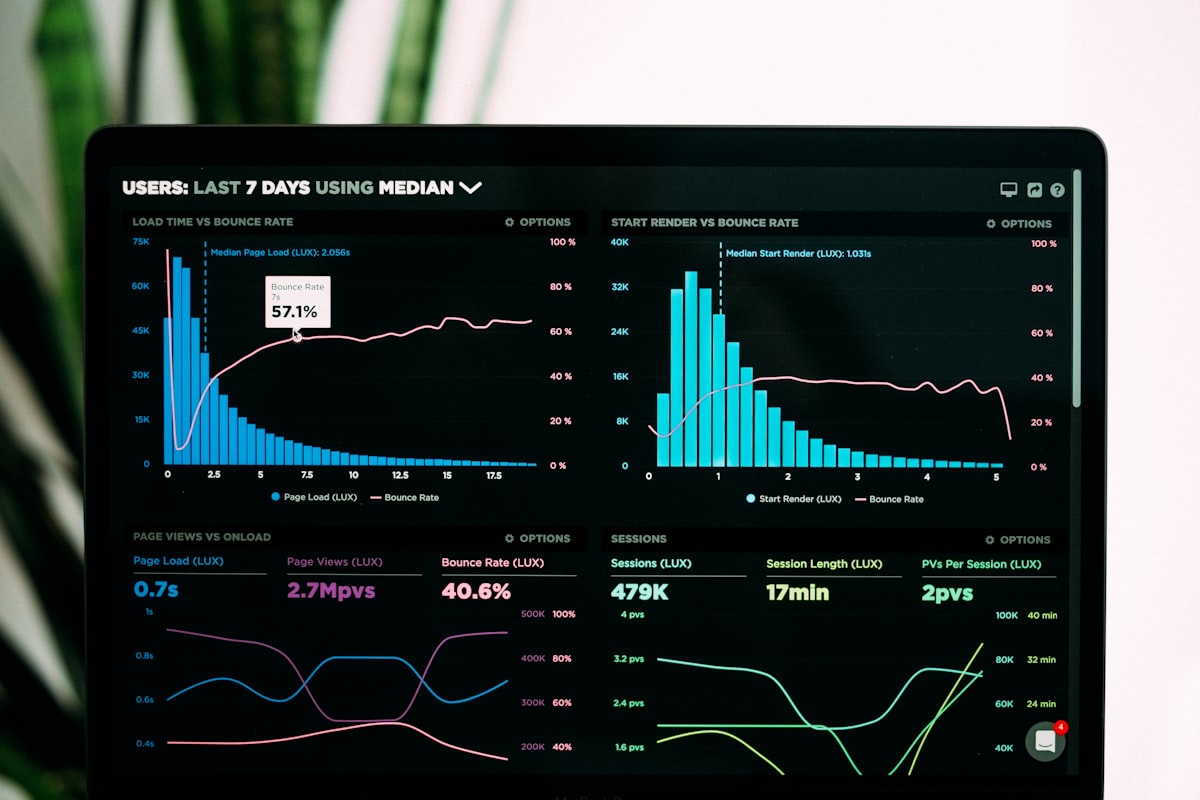 Duetto GameChanger generates real-time demand forecasts at room type and segment level
Standout Features:
- AI-driven demand forecasting with real-time updates
- Segment-level price optimization (OTA, direct, corporate, group)
- Pick-up analysis with booking pace alerts
- Displacement analysis for groups
- Scenario planning for events and disruptions
Pricing: Custom enterprise pricing — typically $1,500–$5,000+/month. Best For: Full-service hotels, resorts, and chains above 150 rooms. Integrations: Opera Cloud, Mews, Infor HMS, Oracle, and 50+ PMS platforms.
2. IDeaS G3 RMS — Best Enterprise Forecasting
IDeaS (SAS Institute) G3 Revenue Management System is the incumbent enterprise choice for large hotels and chains. Its forecasting engine is built on decades of statistical modeling, with recent machine learning layers adding dynamic accuracy.
Standout Features:
- Automated unconstrained demand forecasting
- Overbooking optimization based on cancellation predictions
- Group displacement calculator
- Budget vs. forecast variance reporting
- Multi-property portfolio forecasting
Pricing: Custom — typically $1,000–$4,000/month per property. Best For: Large luxury hotels, chains, and convention centers. Integrations: All major enterprise PMS platforms.
3. Atomize — Best Automated Forecasting for Mid-Scale
Atomize has grown rapidly as an accessible, highly automated revenue management and forecasting platform. Its AI pricing engine updates rates automatically based on demand signals — meaning revenue managers spend less time building forecasts and more time on strategy.
 Atomize provides real-time market demand signals with automated pricing recommendations
Standout Features:
- Fully automated real-time pricing based on demand forecasts
- Forward-looking demand calendar
- Multi-property group management
- Shoppers and competitor rate integration
- Google Hotel Ads integration
Pricing: From $250/month (small properties) to $1,000+/month (larger hotels). Best For: Independent hotels and small groups (40–300 rooms) wanting automation. Integrations: Mews, Opera, Cloudbeds, Apaleo, and 30+ PMS systems.
4. RoomPriceGenie — Best Budget Forecasting for Small Hotels
RoomPriceGenie is designed explicitly for small and independent hotels that want intelligent forecasting without enterprise complexity. Its clear dashboard, plain-language recommendations, and transparent pricing make it approachable for properties without dedicated revenue managers.
Standout Features:
- Demand-driven rate suggestions with one-click accept
- 365-day forward pricing calendar
- Occupancy-based pricing rules
- Competitor rate monitoring
- Revenue pick-up tracking
Pricing: From $79/month (10 rooms) to $300/month (100 rooms). Best For: Small independent hotels, B&Bs, and boutique properties under 100 rooms. Integrations: Cloudbeds, Little Hotelier, Mews, and most major channel managers.
5. Beonprice — Best Demand Intelligence and Competitor Tracking
Beonprice specializes in combining forecasting with deep market intelligence. Its Holistic Revenue Management approach integrates competitor rate shopping, market demand data, and internal booking pace into a single forecast model.
Standout Features:
- Holistic market demand index (MDI)
- Competitor rate benchmarking integrated into forecasts
- Reputation score impact on demand modeling
- Revenue opportunity alerts
- Pick-up pace alerts by segment
Pricing: From $300/month for independent hotels. Best For: Hotels in competitive urban markets where competitor intelligence drives decisions. Integrations: Opera, Mews, Cloudbeds, Apaleo, Siteminder.
Key Forecasting Concepts Every Revenue Manager Should Know
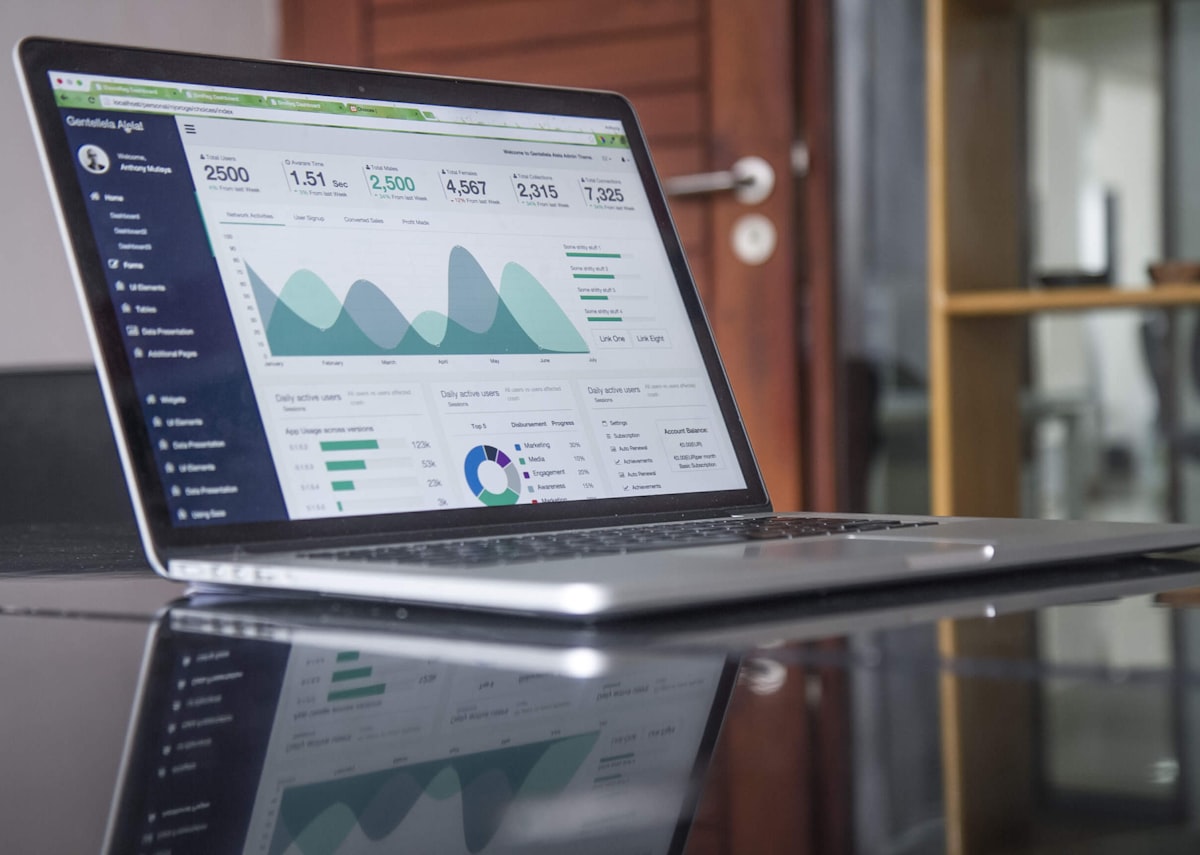 Understanding pick-up pace and unconstrained demand is fundamental to accurate hotel forecasting
Constrained vs. Unconstrained Demand
Unconstrained demand is what your hotel could sell if it had infinite capacity — the real market signal. Constrained demand is what you actually sell given your room count. Good forecasting tools model unconstrained demand first, then apply capacity limits to build the constrained forecast.
Why it matters: if your forecast is always constrained by your room count, you'll never know you're underselling during peak periods.
Pick-Up Analysis
Pick-up measures how many bookings you receive within a given time window (e.g., bookings received in the last 7 days for the next 30 days). Tracking pick-up pace against historical patterns reveals whether demand is tracking ahead, behind, or in line with expectations.
Demand Calendars
Forward demand calendars identify high and low demand periods 12+ months out, allowing proactive rate setting before competitors react. They incorporate event data, historical patterns, and forward-looking indicators like flight searches and convention calendars.
Building a Forecasting Workflow
A practical hotel forecasting workflow combines your RMS tools with regular human judgment:
Weekly:
- Review 90-day forward pick-up pace
- Flag weeks tracking significantly above or below forecast
- Adjust rate strategies for anomalous periods
Monthly:
- Build or update 12-month rolling forecast
- Compare forecast to budget — identify variance drivers
- Review competitor strategy shifts
Annually:
- Build next-year budget using historical data + forward demand signals
- Set pricing strategies for key periods (holidays, events, conferences)
- Review forecasting accuracy — which periods were hardest to predict and why?
Pair this workflow with a comprehensive revenue management system for maximum impact.
Forecasting Integration Requirements
Before purchasing any forecasting tool, verify:
- PMS data feed: Does the tool pull historical and live reservation data from your PMS?
- Channel data: Can it distinguish OTA bookings from direct, corporate, and group?
- Rate connectivity: Does forecast output feed back into rate updates automatically?
- Reporting export: Can you export forecast data to Excel or BI tools for ownership reporting?
For hotels using Cloudbeds or Mews, check which forecasting tools have native integrations before evaluating third-party options.
Pricing Comparison
| Tool | Starting Price | Best For |
|---|---|---|
| Duetto GameChanger | $1,500+/month | Enterprise, full-service |
| IDeaS G3 RMS | $1,000+/month | Large luxury, chains |
| Atomize | $250/month | Mid-scale, independent |
| RoomPriceGenie | $79/month | Small hotels, B&Bs |
| Beonprice | $300/month | Competitive urban markets |
Frequently Asked Questions
What is the most accurate hotel revenue forecasting tool?
Duetto and IDeaS consistently rank highest for forecasting accuracy in large hotel settings. For smaller properties, Atomize and RoomPriceGenie deliver strong accuracy relative to their price point.
Can small hotels afford revenue forecasting software?
Yes — RoomPriceGenie starts at $79/month and Atomize from $250/month. Both deliver meaningful ROI by avoiding the cost of underselling during high-demand periods.
How far ahead should hotels forecast revenue?
Best practice is a rolling 12-month forecast updated monthly, with a detailed 90-day operational forecast reviewed weekly. For group-heavy hotels, 18–24 month forecasting is common.
How does AI improve hotel revenue forecasting?
AI models can process thousands of demand signals simultaneously — booking pace, competitor pricing, local events, weather patterns, and macroeconomic indicators — producing forecasts that improve as the model learns from each actual vs. predicted outcome.
What data does hotel revenue forecasting software need?
At minimum: historical reservations (2+ years), current booking pace, rate history, and occupancy data. The best tools also ingest competitor rates, market demand data, and external event calendars.
Conclusion
 Accurate revenue forecasting is the difference between reactive rate management and proactive revenue strategy
Revenue forecasting is where data science meets hospitality strategy. The right tool gives your revenue team a clear view of demand months in advance, enabling confident pricing decisions instead of reactive guesswork.
Choose based on your property size and resources:
- Enterprise hotels and chains: Duetto GameChanger or IDeaS G3
- Mid-scale independents: Atomize for automation-first approach
- Small properties: RoomPriceGenie for simplicity and value
- Competitive urban markets: Beonprice for market intelligence integration
Combine your forecasting tool with a full revenue management strategy and channel manager to translate demand predictions into optimized revenue across all booking sources.
More Articles

Best Mobile PMS Apps for Hotels in 2026: Manage from Anywhere
Compare the top mobile hotel PMS apps for iOS and Android in 2026. Discover which property management systems offer the best mobile functionality for hotel staff on the go.

Best Contactless Hotel Check-In Software in 2026: Complete Guide
Compare the top contactless check-in solutions for hotels in 2026. Discover how self-service kiosks, mobile check-in, and digital keys improve guest experience and reduce front desk workload.

Hotel Data Analytics and Reporting Software: Complete Guide 2026
Discover the best hotel analytics and business intelligence software in 2026. Learn how data-driven insights improve revenue, operations, and guest satisfaction at your property.